
Barcelona is one of the few cities where studying consumer psychology makes obvious sense before you’ve even opened a textbook. The city’s economy runs on tourism, design, and commerce, all industries where understanding why people make decisions is the actual competitive advantage. That’s not incidental to studying neuromarketing here. It’s the whole point.
Neuro Business School was built around that idea from the ground up, combining psychology, neuroscience, and marketing into a single discipline rather than treating them as adjacent subjects that occasionally reference each other. The result is a curriculum built around a question most business degrees don’t ask: not what customers do, but why, neurologically, that behaviour happens. What’s occurring in the brain before the decision gets made.
This article covers what that looks like in practice: the curriculum, the city, the professors, what real industry access means at this level of specificity, and what graduates say actually lasts beyond the diploma.
What this article covers:
- 🧠 Why neuromarketing fills a gap standard marketing education leaves open
- 🏙️ What Barcelona specifically adds that no curriculum alone can replicate
- 👩🏫 Who is teaching the program and where they come from
- 🔑 What real-world access looks like, in specific and nameable terms
- 🎓 What graduates carry with them after finishing
What Makes This Program Different From a Standard Business Degree?
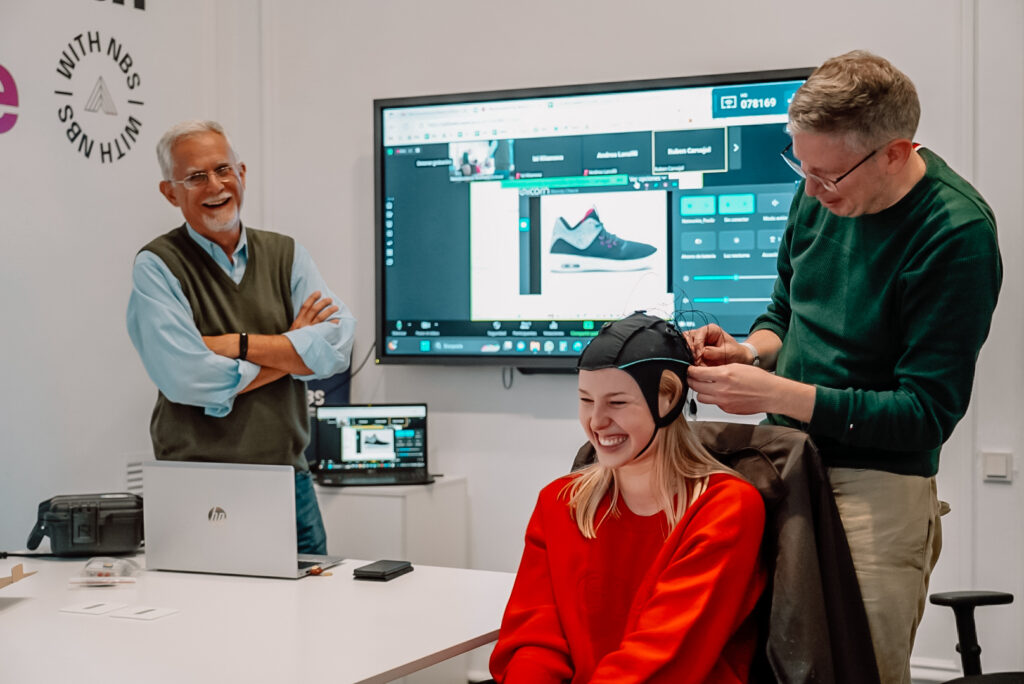
A standard marketing degree teaches frameworks: segmentation, positioning, brand equity, the funnel. What it typically doesn’t teach is the mechanism. Why those frameworks work on an actual human brain making an actual decision. The gap between knowing that emotional appeals outperform rational ones, and understanding why that asymmetry exists neurologically, is significant. It’s also the gap this program is built around.
The curriculum sits at the intersection of three disciplines usually kept in separate departments: marketing, psychology, and neuroscience. How the brain responds to advertising, how purchasing decisions actually form, what consumer behaviour looks like beneath self-reported preferences. These are structural to the coursework, not a contemporary-sounding module added at the end.
| “a deeper understanding of how people really make decisions”
— Mariia, Master in NeuroMarketing – via EDUopinions
A different reviewer approached the same curriculum from a business administration angle and landed on the same conclusion: that the value of framing marketing around neuroscience is understanding what is actually happening in a customer’s mind at the moment they encounter a product, not just what they report about it afterwards.
|
“what happens in a customer’s brain when they notice your product”
— Hocine, Business Administration – via EDUopinions
For anyone choosing between a neuromarketing program and a more conventional marketing master’s, the practical question is whether the neuroscience is structural or decorative. Here it’s structural.

Photo by Mitchel Willem Jacob Anneveldt on Unsplash
Why Barcelona?
Strip the program away for a moment and a separate case emerges for the location itself. Barcelona’s business ecosystem is unusual: a dense concentration of multinational regional headquarters, a large English-speaking professional community, and an international student population that reflects the European market the city sits at the centre of.
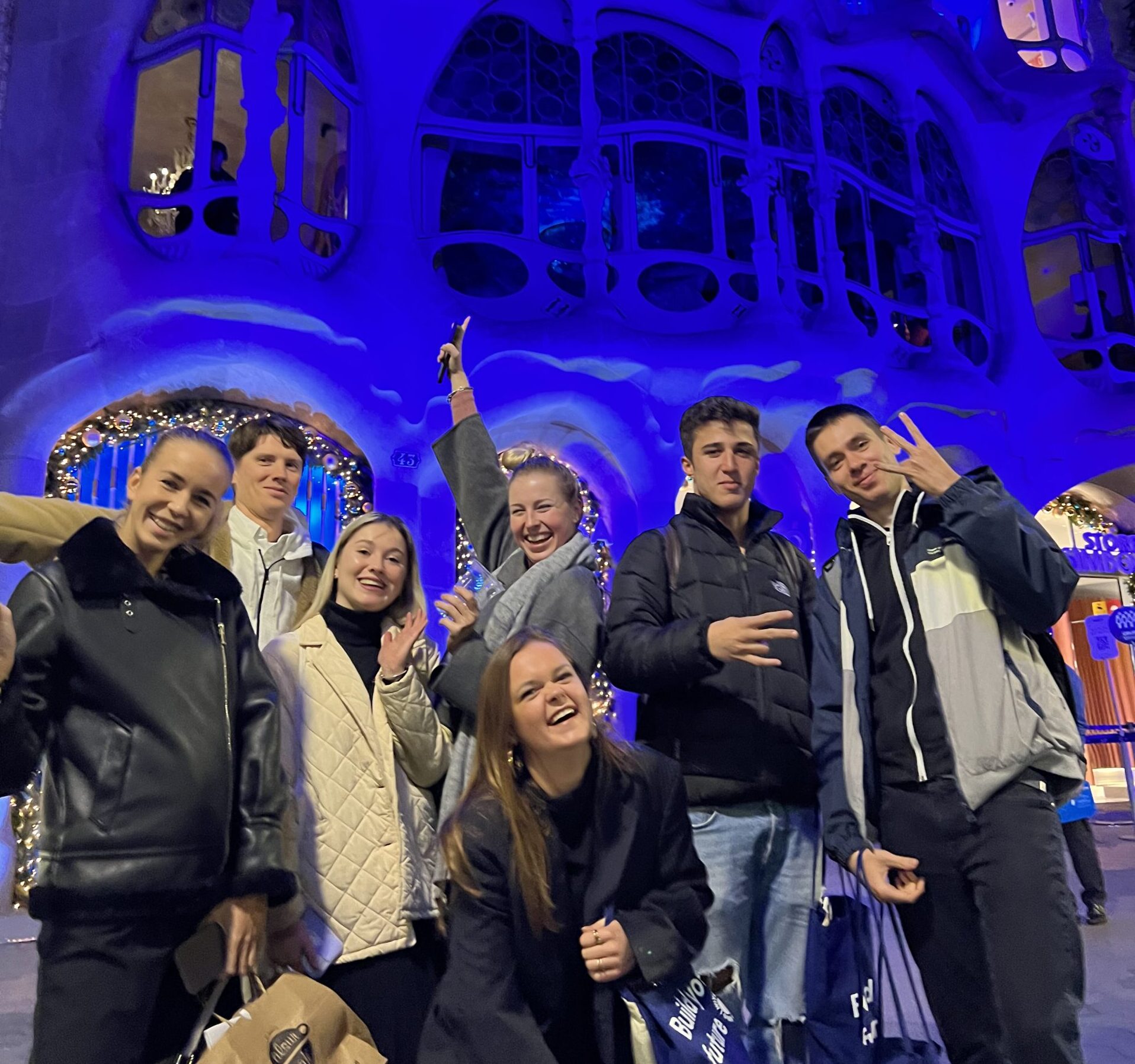
For a program about cross-cultural consumer behaviour, that context matters. Sitting in a classroom with students from a wide mix of countries, comparing how the same advertisement lands differently across cultures, is applied neuromarketing in a way that a less diverse classroom simply can’t replicate. The international character of the classroom isn’t a side note in these reviews. It’s part of what graduates describe when they explain what made the experience distinctive.
Barcelona also functions as a working demonstration of what the program teaches. The city’s retail environments, public spaces, and commercial districts are dense with sensory marketing, architectural influence on behaviour, and crowd psychology. Some concepts are easier to understand when you can walk outside and observe them between classes.
The city doesn’t just host the program. In a real sense, it is part of the curriculum.

Who’s Actually Teaching the Classes?
Faculty quality is the kind of claim every school makes and almost none substantiate. At Neuro Business School, professors are drawn primarily from Barcelona’s public university system, with active academic appointments and current research, teaching in English at a level that reviewers across different programs and different years describe consistently.
|
“led by experts who were able to explain their topics very well”
— Graduate, BA in NeuroMarketing – via EDUopinions
The administrative side draws equally consistent mention: course materials available on time, questions answered without delay. That detail matters more than it sounds at postgraduate level, where slow administrative response creates compounding friction across an entire program.
The test of a faculty isn’t the bios on a website. It’s whether students, after the fact and with nothing left to gain, single out the teaching specifically.
What “Real-World Experience” Looks Like
This is the phrase business schools overuse until it stops meaning anything. The version that appears in an independent review of this program is considerably more specific:
|
“visit PepsiCo HQ in Barcelona to meet their consumers insight and HR team”
— Graduate, MSc in NeuroMarketing – via EDUopinions
A reviewer who can name the company, the city, and the specific teams they sat down with is offering a different category of evidence than a brochure listing “strong industry connections.” The same reviewer also described the program’s broader approach as pushing students to build impactful businesses, not produce theoretical work that never leaves the classroom.
The next company visit is already scheduled – the Barcelona Supercomputing Center, one of Europe’s leading high-performance computing research hubs. See it for yourself on the 17th of July.
Neuro Business School’s published employer data lists Revolut, UNICEF, TeamViewer, BizAway, and the Barcelona Chamber of Commerce among organisations that have hired graduates. Fintech, international development, technology, logistics, civic institutions. The range says something about the breadth of roles the Master in NeuroMarketing actually prepares people for.
Most marketing degrees teach what works. This one teaches why.
What’s After the Diploma?
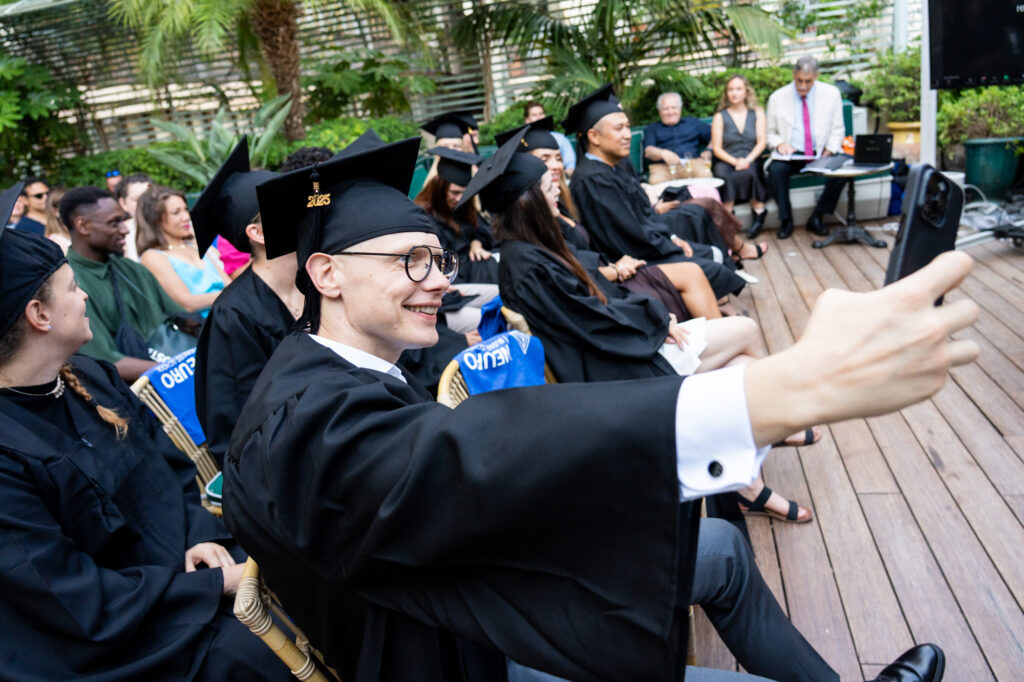
The most useful measure of a program’s real value is what graduates say about it once there’s no remaining reason to say anything. One of the reviews on EDUopinions was written roughly two years after the reviewer graduated. What stayed wasn’t a specific module or technique.
|
“made lifelong friends from around the world”
— Graduate, MSc in NeuroMarketing – via EDUopinions
Alongside a lasting appreciation for a program that pushed students to build ideas that were genuinely workable, not polished presentations of things that would never happen. Two years on, unprompted, that’s what this graduate chose to write about.
That’s a different kind of evidence than a satisfaction score collected the week of graduation. Anyone can report being happy with something they’ve just finished. A graduate describing friendships still active years later, written down without anyone asking, is a different signal entirely.
If a program’s value is real, it shows up in what former students choose to say once there’s no reason left to say anything.
Neuromarketing isn’t a niche specialism sitting at the edge of marketing practice. It’s becoming the framework through which the most effective decisions get made, because it works from a model of how people actually decide, rather than how they report deciding. Barcelona is a logical place to study it. A program integrating psychology, neuroscience, and marketing strategy in the same curriculum is a logical way to study it seriously.
If any of this sounds like the right fit, the Master in NeuroMarketing is on campus in Barcelona. The student reviews that informed this article are available in full on EDUopinions.

Sources
- Neuro Business School student reviews, EDUopinions (independent international student review platform), accessed July 2026. Direct quotes are short attributed fragments; all other review content is paraphrased.
- Neuro Business School employer list (Top Hired Employers) as published on the EDUopinions Neuro Business School profile page: Revolut, Barcelona Chamber of Commerce, UNICEF, TeamViewer, BizAway.