
Image by Magnific
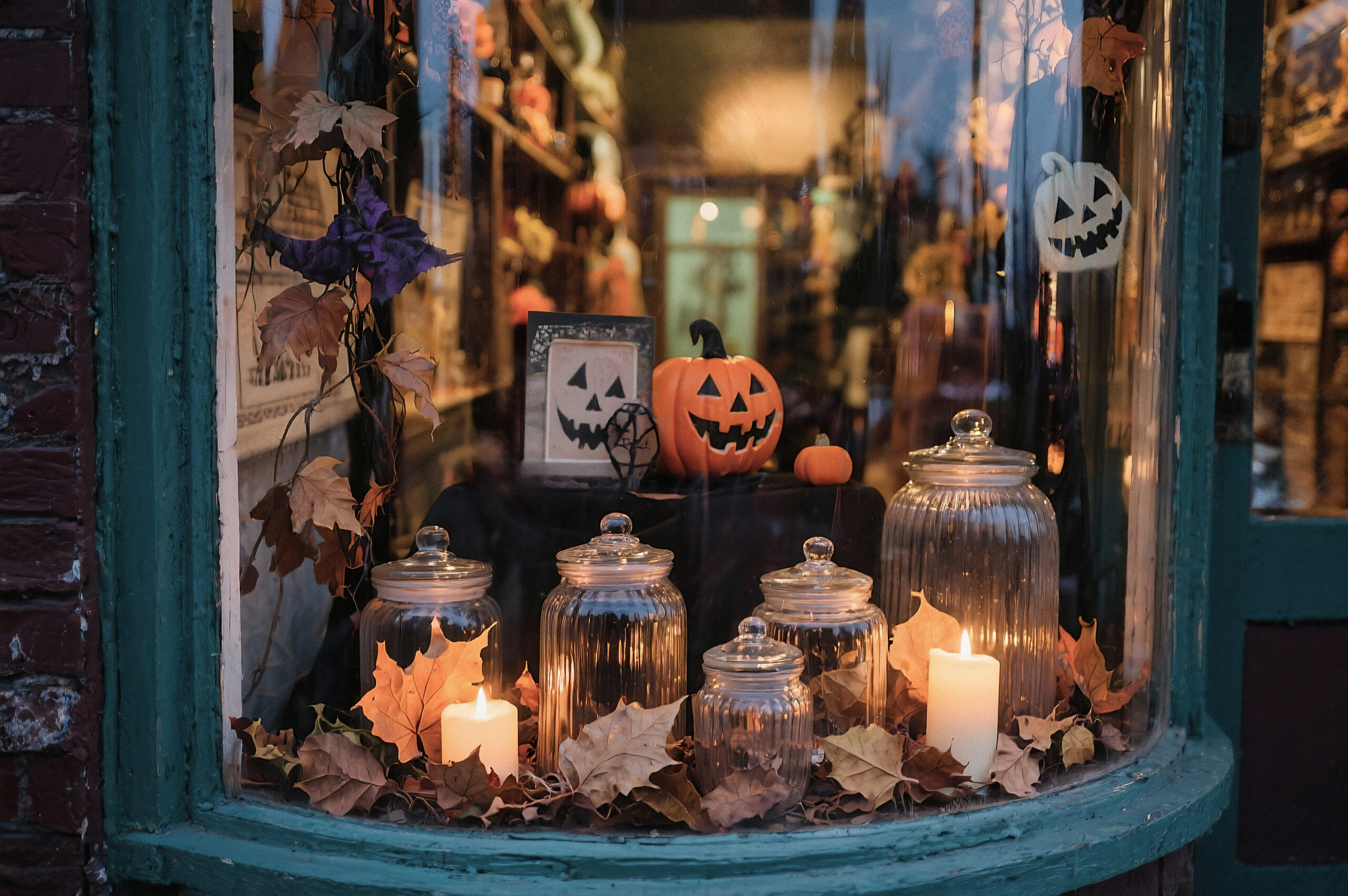
Think about the last time you watched a horror film or walked through a haunted house. Your heart raced, you probably screamed at least once, and afterwards you were smiling. You chose to feel afraid, and maybe you even paid for it.
Every October, millions of people do the same thing. In the US alone, Halloween spending is expected to reach $13.5 billion this year. That makes Halloween a useful lesson in consumer psychology: people often pay for a feeling, not just a product.
What this article covers
• Why people choose to feel afraid
• What a good scare does to your brain
• What haunted houses get right about customers
• How brands can find the same “sweet spot”
Why do people pay to be scared?
People pay to be scared because they get a strong emotion in a place where they know they are safe. The fear feels real, but the danger isn’t.
Researchers at Aarhus University in Denmark tested this inside a haunted house. They gave 110 visitors heart rate monitors, filmed their reactions at the scariest moments, and asked them how they felt.
The results showed a clear sweet spot. Visitors enjoyed the experience most when it was scary, but not too scary. With too little fear, it got boring. With too much, it stopped being fun. The researchers suggest enjoyment depends on a level of excitement that is “just right.”
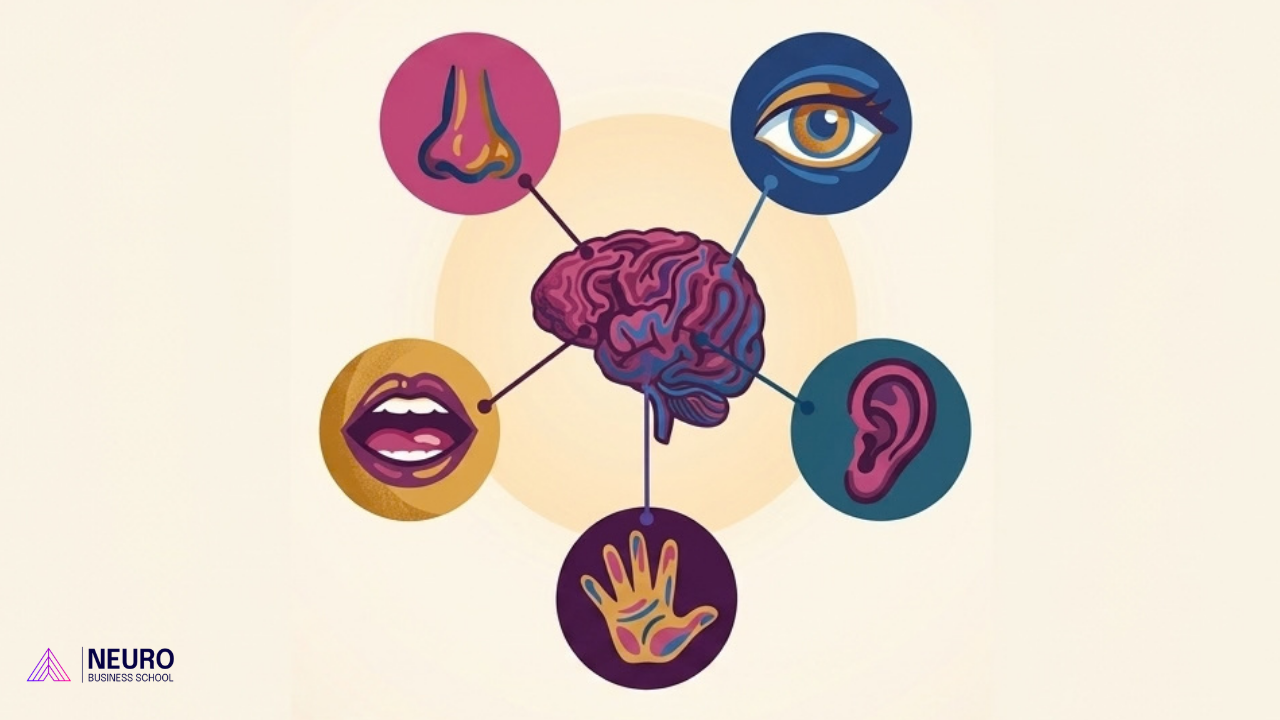
What happens in your brain after a good scare?
A controlled scare can leave people in a better mood than before. It can also make everyday stress feel smaller for a while.
In Pittsburgh, sociologist Margee Kerr and her colleagues studied visitors to an intense haunted attraction called ScareHouse. They measured mood and brain activity (EEG) before and after the visit.
After about 35 minutes of scares, many visitors felt better, more awake and less anxious. The biggest change was in people who arrived stressed or bored. Nearly 90% said they wanted to do it again.
Another study points the same way. Researchers surveyed 310 people during the COVID-19 pandemic and found that horror fans reported coping better than others. It was a survey, so it shows a link rather than a cause, but it fits the idea that practising fear in a safe space can be useful.
What do haunted houses understand about customers?
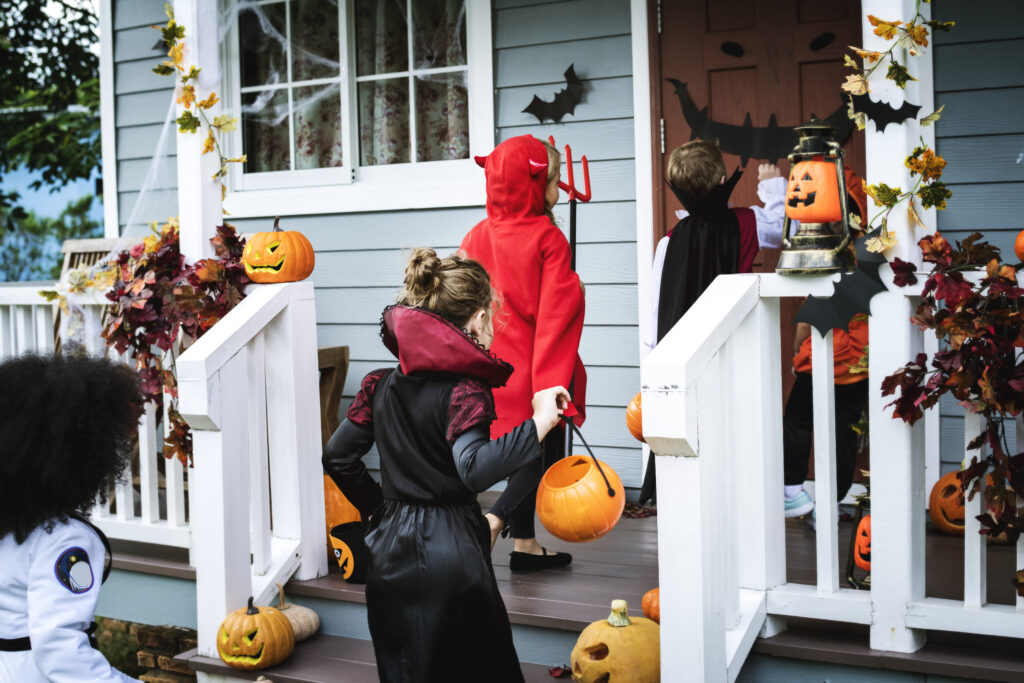
Image by rawpixel.com on Magnific
Haunted houses understand that people pay for experiences, not objects.
A haunted house doesn’t really sell a building or a group of actors. It sells tension, relief, and a story you’ll tell your friends the next day. Escape rooms, horror films and theme parks work the same way.
Back in 1998, Joseph Pine and James Gilmore called this the experience economy in Harvard Business Review. Their idea was that businesses can charge more when they create memorable experiences, instead of only selling goods or services. In consumer behavior terms, the memory becomes part of what the customer buys.
People rarely remember what they bought.
They remember how it felt.
How can a brand find its own “sweet spot”?
Give customers a little emotional tension, make sure they feel safe, and don’t push too far. In practice, that looks like this:
• Build tension, then release it. Product reveals, countdowns and surprise rewards work like the build-up before a scare.
• Make people feel safe. Clear prices, easy returns and honest reviews tell customers they can relax and enjoy the experience.
• Give them a story. If customers can retell the experience, they usually will, and that brings in new ones.
• Don’t overdo it. Too much pressure works like too much fear. People stop enjoying it and leave.
What can marketers learn about consumer psychology from Halloween?
Halloween shows that consumer psychology is often more about emotion than product. The haunted house that gets the fear level right sells out. The brand that gets the feeling right gets remembered.
If you want to understand why people buy, and how the brain decides what is worth paying for, the Master in NeuroMarketing at NEURO Business School covers exactly that, online or on campus in Barcelona.
FAQ
Why do people enjoy being scared?
Fear in a safe setting gives a rush of excitement without real danger. A 2020 study from Aarhus University found that people enjoy fear most at a moderate level: not too little and not too much.
Can being scared improve your mood?
It can. A study at the ScareHouse haunted attraction in Pittsburgh found that many visitors felt better and less anxious afterwards, especially those who arrived stressed or bored.
What is consumer psychology?
Consumer psychology studies how people think, feel and decide when they buy. It looks at emotions, memory and habits, not only price and features.
What is the experience economy?
The experience economy is an idea from Joseph Pine and James Gilmore (Harvard Business Review, 1998). It describes businesses that charge for memorable experiences, not only for products or services.
Sources
1. Psychological Science; Marc Malmdorf Andersen, Uffe Schjoedt, Henry Price, Fernando E. Rosas, Coltan Scrivner, Mathias Clasen; “Playing With Fear: A Field Study in Recreational Horror” (2020)
2. Emotion; Margee Kerr, Greg J. Siegle, Jahala Orsini; “Voluntary arousing negative experiences (VANE): Why we like to be scared” (2019). Summary: Greater Good Magazine, UC Berkeley, “How a Haunted House Can Make You Happier”
3. Personality and Individual Differences; Coltan Scrivner, John A. Johnson, Jens Kjeldgaard-Christiansen, Mathias Clasen; “Pandemic practice: Horror fans and morbidly curious individuals are more psychologically resilient during the COVID-19 pandemic” (2021)
4. Harvard Business Review; B. Joseph Pine II, James H. Gilmore; “Welcome to the Experience Economy” (1998)
5. National Retail Federation, with Prosper Insights & Analytics; “NRF Halloween survey shows consumer spending expected to reach $13.5 billion” (2026)