
Every marketing decision is a guess about people: which headline they’ll click, which price feels fair, which product they’ll miss if it disappears. Some of those guesses are informed. Many aren’t.
Psychology turns those guesses into something closer to knowledge. It explains why people choose what they choose, often for reasons they couldn’t put into words themselves.
What this article covers
Why marketing needs psychology
What Coca-Cola learned when it trusted taste tests
How one checkbox changed how many people said yes
How to choose between psychology and marketing degrees
Where the Master in NeuroMarketing fits
Why does marketing need psychology at all?
Marketing needs psychology because people make buying decisions, and people rarely decide in a purely logical way. Emotions, habits, memories and the way options are presented all shape what someone buys.
Marketing psychology studies these patterns so brands can understand their customers instead of guessing. Consumer research tells you what people do, and psychology helps explain why.
What happens when a brand asks the wrong question?

Image by rawpixel.com on Magnific
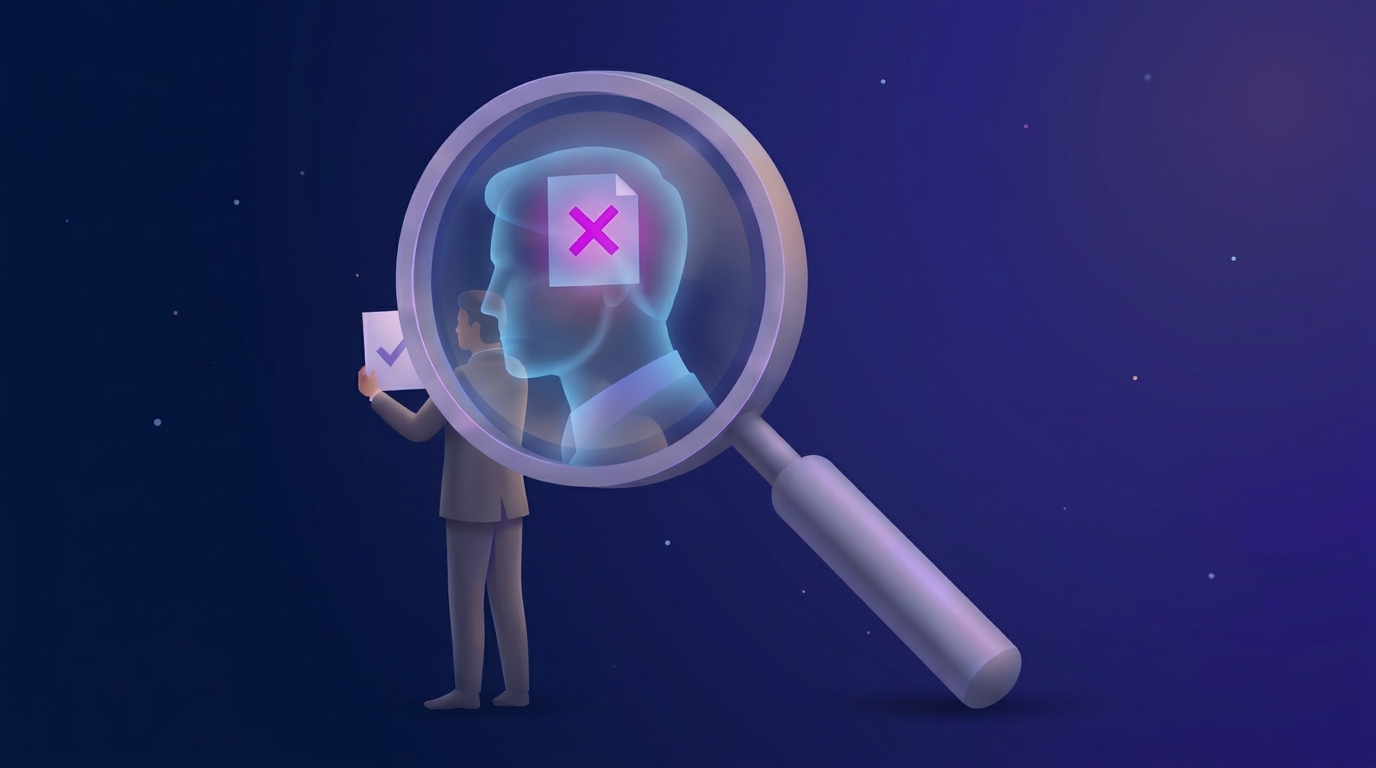
The data can look right while the decision is still wrong. The best-known example is New Coke.
In 1985, Coca-Cola changed its recipe for the first time in 99 years. The decision looked safe on paper, because the new formula had been preferred in taste tests of nearly 200,000 consumers.
Customers reacted badly. By June 1985, the company was getting 1,500 calls a day on its consumer hotline, compared with 400 a day before the change. The original formula came back on July 11, 1985. Coca-Cola later explained that the tests didn’t show “the bond consumers felt with their Coca-Cola.”
The lesson: Coca-Cola asked people which drink tasted better, and it got an honest answer. That turned out to be the wrong question. For many people, Coke was tied to memories and habits, so changing it felt like losing something familiar. A marketer who understands psychology asks what people like, and also what they’re attached to and why.
The taste tests measured what people liked.
They didn’t measure what people would miss.
Can the way you ask change the answer?
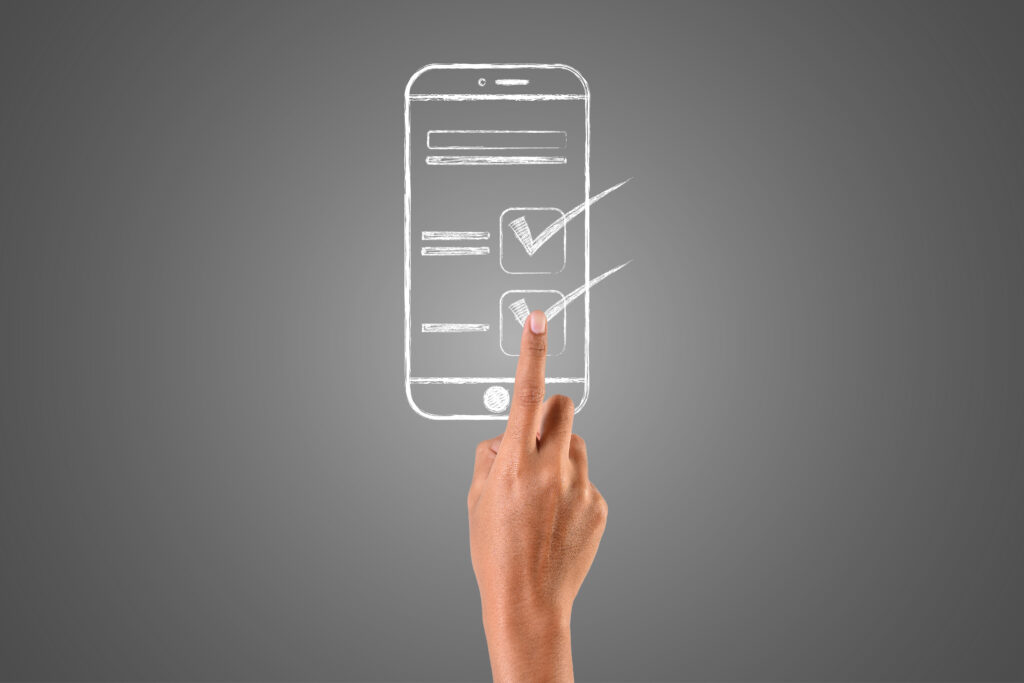
Image by jcomp on Magnific
Yes, often more than marketers expect. A team led by Eric Johnson, a marketing professor at Columbia Business School, showed this with a single checkbox.
In an online experiment, people were asked whether they wanted to be contacted about future surveys. Each person saw only one version of the question, with the box left empty:
☑️ “Notify me about more health surveys” (people had to tick the box to say yes)
☑️ “Do NOT notify me about more health surveys” (people had to tick the box to say no)
With the first version, 48.2% agreed to be contacted. With the second, 96.3% did.
The lesson: many people simply leave a box as it is. The offer was exactly the same in both versions, and changing only the wording doubled the number of people who said yes. How you word a form, a checkbox or a pricing page can matter as much as what you’re offering. In the EU, GDPR requires people to actively choose marketing emails, so this isn’t about tricking anyone. It’s about writing choices people understand.
Every form you design is also a decision about how people will choose.
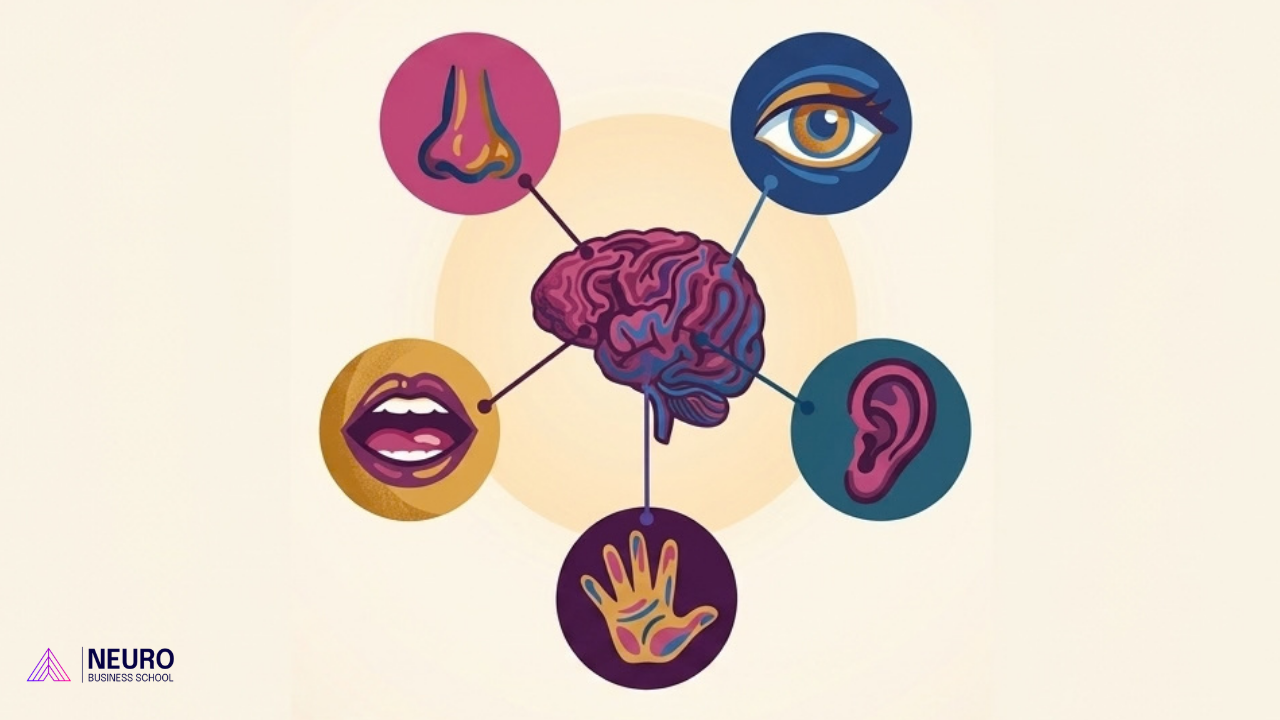
If you want more on how small details shape decisions, read why we say yes to things we don’t want to do and how sensory neuromarketing works..
Should you study a consumer psychology master’s or a marketing degree?
It depends on what you want to do with it. Graduate psychology programs usually go deep into research and theory, while many marketing degrees focus on channels, tools and campaigns. Consumer psychology master’s programs sit between the two.
Before choosing, ask yourself:
✅ Do you want to understand people, work with brands, or both?
✅ Will you learn consumer research methods, or only theory?
✅ Will you apply what you learn to real business cases?
✅ Does the program cover the digital and AI tools marketers use today?
If you want to know why people buy and what to do about it, look for a program that teaches both.
How does the Master in NeuroMarketing bring psychology and marketing together?
The Master in NeuroMarketing at NEURO Business School is a one-year master’s degree that combines psychology, marketing and technology to explain how and why consumers make decisions.
The modules include Neural Basics of Consumer Behaviour, Neuroscience and Perception, Neuromarketing and AI, and Digital Marketing & Artificial Intelligence, followed by a Final Project. The focus is practical: you learn to use neuromarketing tools adapted to real business budgets.
You can study in English fully online, in a hybrid format with two months in Barcelona, or entirely on campus. The program is accredited by UVic-UCC (Universitat de Vic – Universitat Central de Catalunya).
If you’ve been choosing between psychology and marketing, the Master in NeuroMarketing lets you study both, applied to how real customers decide.
Frequently Asked Questions
What is a consumer psychology master’s program?
It is a graduate program that studies how people think, feel and decide as customers, and how businesses can use that knowledge in marketing, research and product decisions.
What is marketing psychology?
Marketing psychology applies research on emotions, habits, memory and decision-making to marketing work such as pricing, messaging, forms and consumer research.
Can I study the Master in NeuroMarketing online?
Yes. The English program can be studied fully online, in a hybrid format with two months in Barcelona, or on campus. The Spanish version is taught online.
Sources
1. The Coca-Cola Company, “New Coke: The Most Memorable Marketing Blunder Ever?”
2. Marketing Letters, Eric J. Johnson, Steven Bellman and Gerald L. Lohse, “Defaults, Framing and Privacy: Why Opting In-Opting Out”
3. Communications of the ACM, Gerald L. Lohse, Steven Bellman and Eric J. Johnson, “To Opt-In or Opt-Out? It Depends on the Question”
4. European Union, General Data Protection Regulation (GDPR), Recital 32