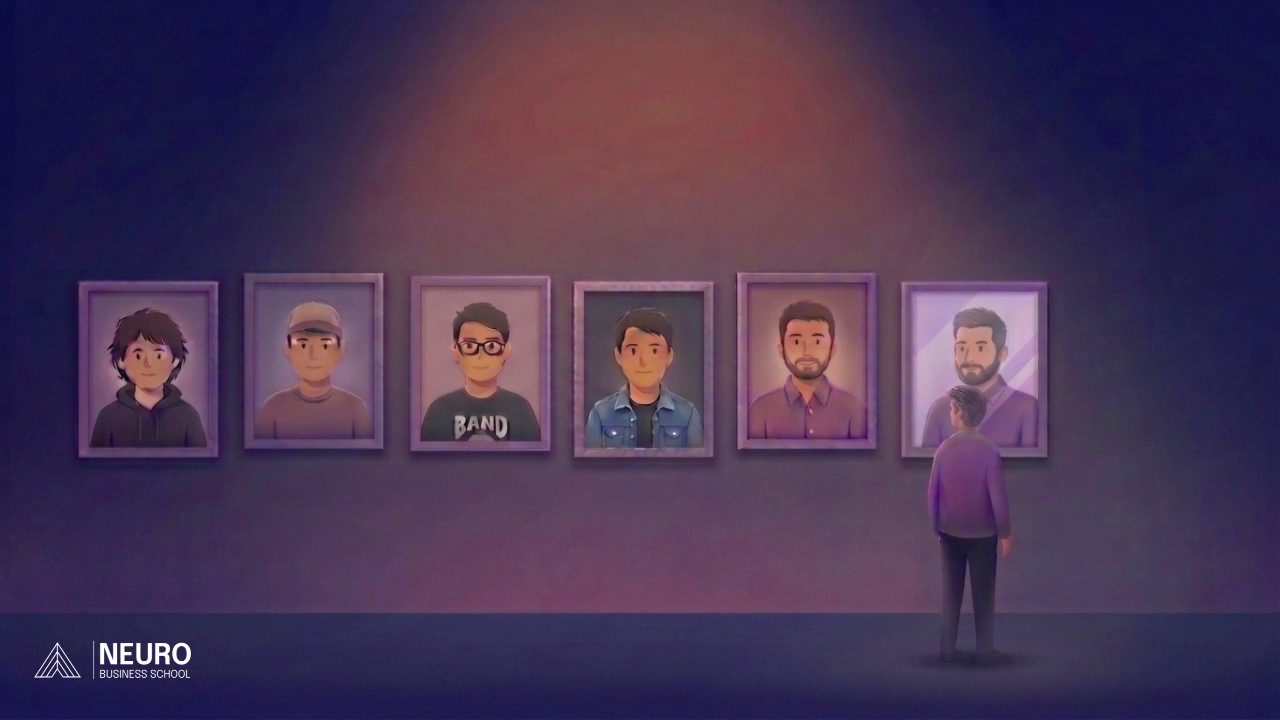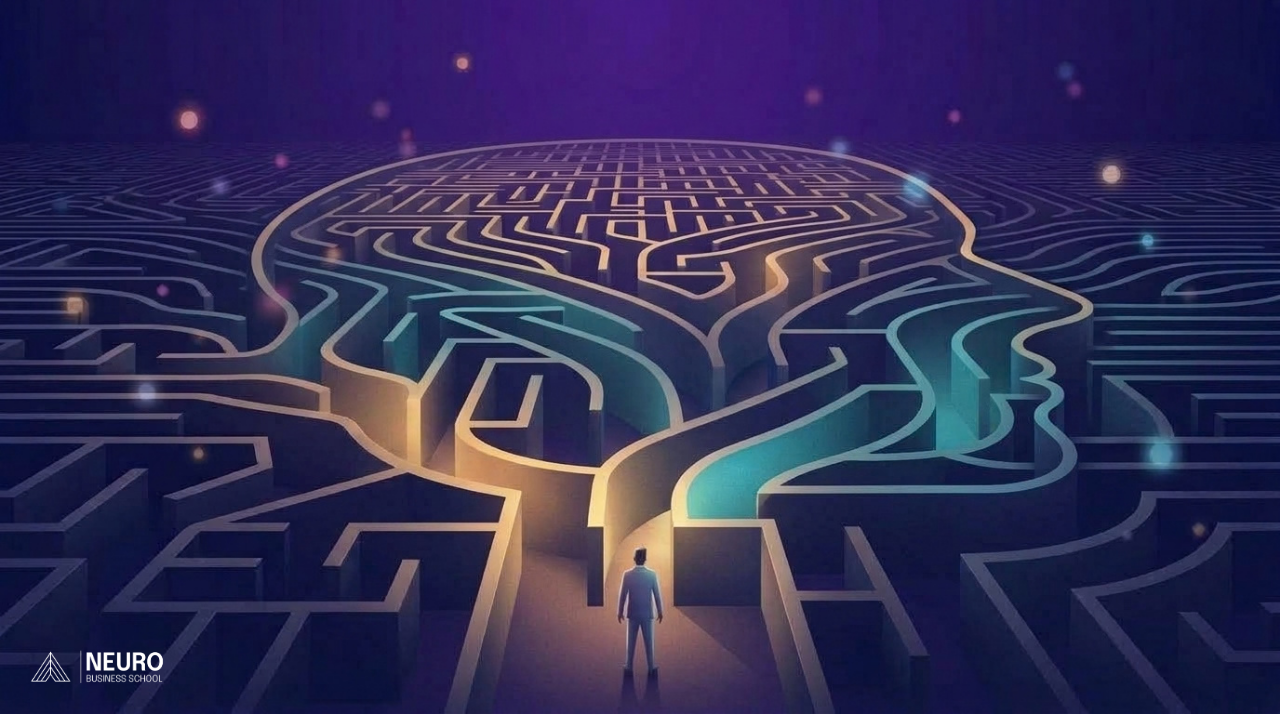

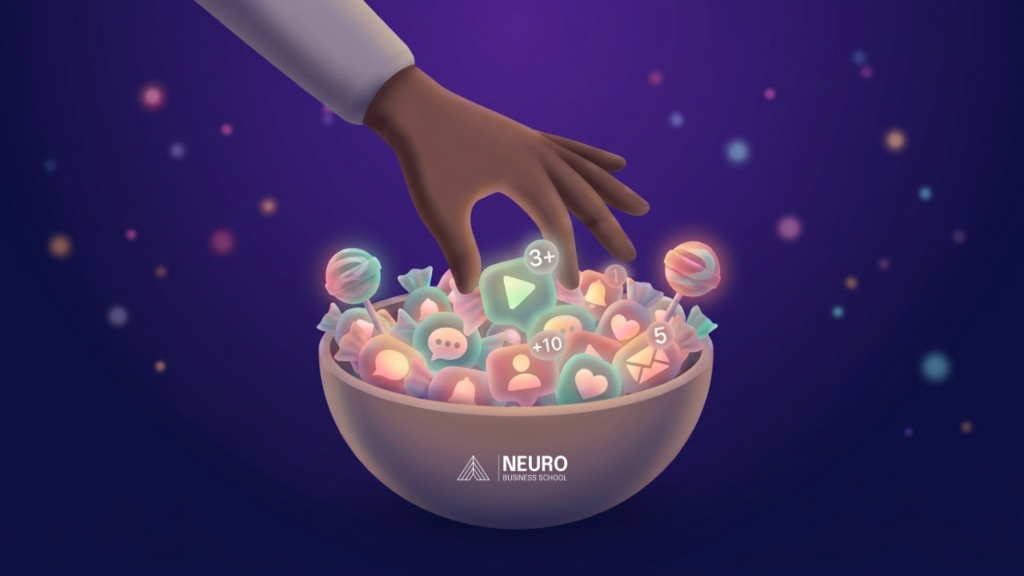
Checking your phone for no reason activates some of the same dopamine circuitry as eating something sweet. New information triggers dopamine-linked regions in the midbrain, the same reward circuitry engaged by food and money, because the brain treats the opportunity to learn something as valuable in itself, whether or not that information is ever useful. That’s the behavioral science behind why some information is impossible to put down, and how to point that same drive somewhere it pays off.
What this article covers:
🧠What’s actually happening in the brain when new information feels rewarding
🍭Whether that’s really the same mechanism as a sugar or food craving
🔍What real-life research found about curiosity and information-seeking
💡How to turn that pull into something useful
What Is the Behavioral Science Behind Craving New Information?
For years, dopamine got filed under “the pleasure chemical.” A 2020 study published in eLife found that dopamine plays a direct, causal role in how people seek out new information, not just how they respond once they have it. Even information with zero practical use gets processed by the same neural system that evaluates food, money, and other primary rewards.
Almost nobody registers this consciously while it’s happening. That’s the point. The reward fires on the seeking, not on the payoff.
What this means for your own habits: the pull to check one more headline isn’t a willpower failure. It’s a reward system doing exactly what it evolved to do, aimed at something with no natural stopping point.
Is an Information Craving the Same as a Sugar Craving?

Image by jcomp on Magnific
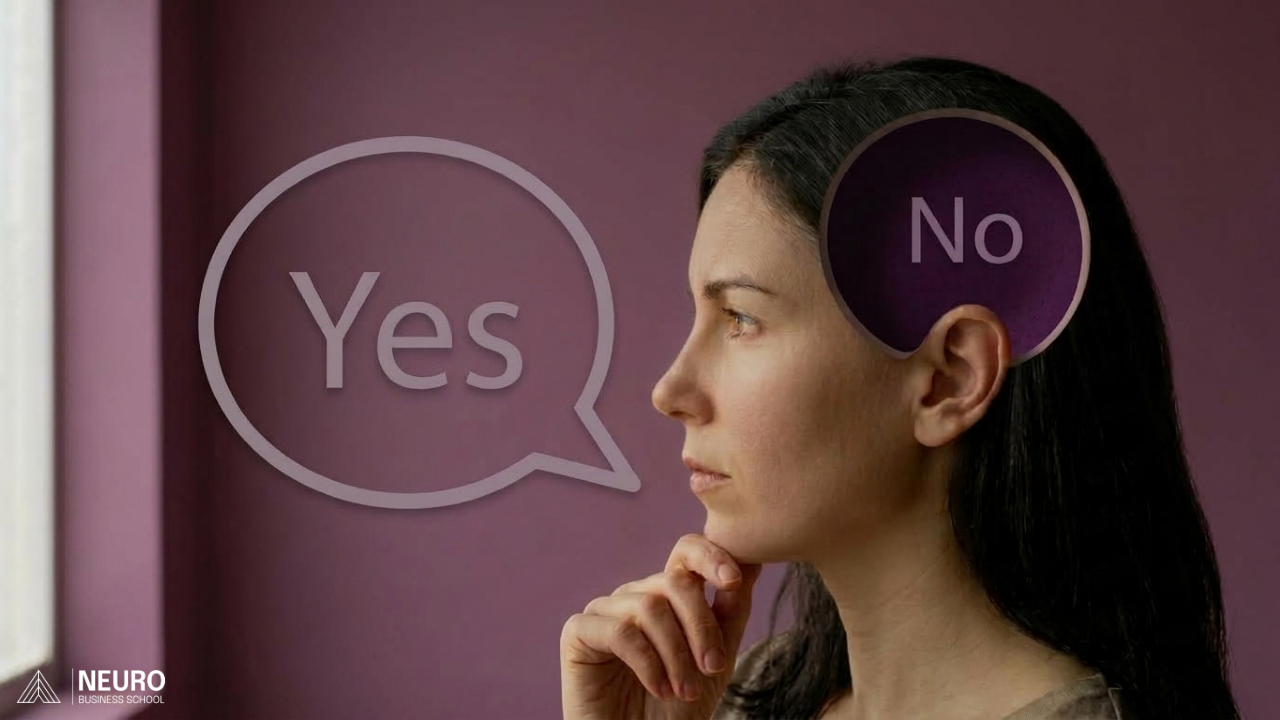
Not exactly. Dopamine handles at least two different jobs: tracking whether something turned out better or worse than expected (closer to how food and money rewards work), and flagging something as worth paying attention to before you even know the outcome. Curiosity leans on that second job. It overlaps with food-and-money reward circuitry in the brain, but it isn’t a chemical copy of a sugar craving. What the two share is architecture, not identity.
This is obvious in retrospect but easy to overstate. “Your brain treats information like a drug” is a punchy headline and an inaccurate claim. “Your brain treats information as inherently valuable, using overlapping reward machinery” is the actual finding.
What this means for reading your own habits: don’t diagnose every scroll session as a discipline problem or an anxiety spiral. Often it’s just curiosity, doing exactly what it’s built to do.
What Consumer Neuroscience Research Reveals About Real-Life Curiosity
A 2023 study in Social Cognitive and Affective Neuroscience tested this outside the lab. Researchers measured participants’ curiosity and brain activity before COVID-19. When lockdowns hit, they asked the same participants how often they sought pandemic-related news that first month. People with stronger communication between two key reward regions in the brain (the ventral tegmental area and the nucleus accumbens) sought out significantly more information, independent of how anxious they were. Anxiety didn’t predict it. Curiosity and that brain wiring did.
What this means for reading your own behavior: the urge to keep refreshing isn’t automatically anxiety. It might just be curiosity doing what curiosity does.
Turning Curiosity Into a Business Psychology Skill

Photo by George Pak on Pexels
If the brain rewards closing an information gap regardless of whether it matters, then what you’re curious about is a decision, not a fixed trait. A notification closes a tiny gap and resets instantly, which is why there’s always another one. A real subject, actually studied, closes a much bigger gap and stays closed. Same circuitry, very different return.
This is where formal study earns its place. Understanding why attention gets captured and how decisions actually get made, core territory in business psychology and neuromarketing, turns a scattered impulse into something you can apply professionally.
What this means practically: the goal isn’t suppressing curiosity. It’s feeding it something that pays off in more than a few seconds.
Why Study Consumer Behavior and Behavioral Science at NBS
If you’re someone who falls down a research rabbit hole and doesn’t resurface for an hour, that’s not a flaw to manage, it’s a reward system running at full strength. Structured study is one of the few environments built to reward that instinct properly, one real information gap closed at a time, without stepping away from the work you’re already doing. The Master in Neuromarketing at NBS is built around exactly this question: what’s actually happening in the brain when people seek, decide, and act on consumer behavior, and how to use that as a professional skill.
Sources
eLife – Vellani, V., de Vries, L. P., Gaule, A., & Sharot, T. (2020). A selective effect of dopamine on information-seeking.
Social Cognitive and Affective Neuroscience – Eschmann, K. C. J., Pereira, D. F. M. M., Valji, A., Dehmelt, V., & Gruber, M. J. (2023). Curiosity and mesolimbic functional connectivity drive information seeking in real life.
Neuron – Bromberg-Martin, E. S., & Hikosaka, O. (2009). Midbrain dopamine neurons signal preference for advance information about upcoming rewards.
Psychopharmacology – Berridge, K. C. (2007). The debate over dopamine’s role in reward: the case for incentive salience.