
Most of us have agreed to something we didn’t really want to do and then wondered how it happened. Often it starts with a small request that’s easy to accept, and the bigger ones that follow become harder to turn down. Psychologists have studied this pattern since the 1960s, and it shows up in how people shop as well, which is why it’s one of the factors influencing consumer behaviour that brands pay close attention to.
Why Is One Small Yes So Hard to Take Back?

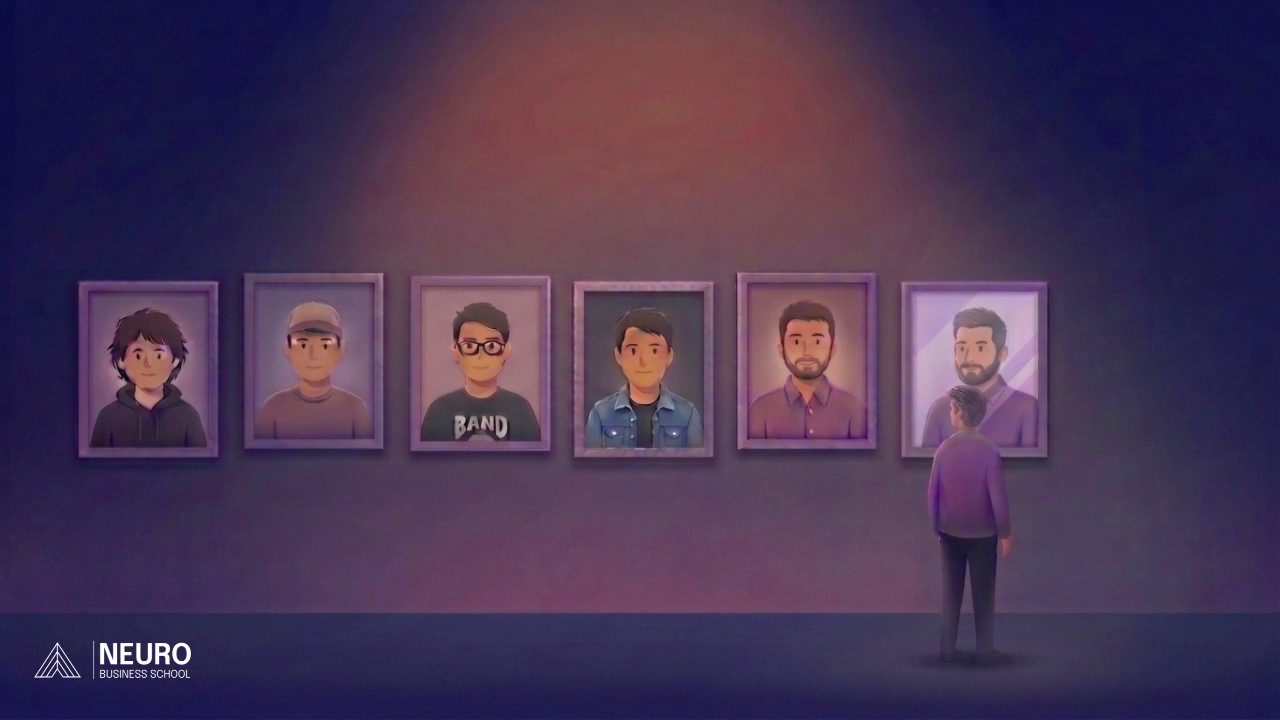
Once you agree to something, you start to see yourself as someone who agrees to that kind of thing, so saying no to the next request feels out of character.
In 1966, Stanford psychologists Jonathan Freedman and Scott Fraser went door to door in Palo Alto, California. They asked homeowners to put a very large, poorly lettered “Drive Carefully” sign on their front lawn, big enough to hide much of the front of the house. Only about 17% agreed.
Other homeowners had been visited two weeks earlier and asked for something tiny: to put a small “Be a safe driver” sign in their window. When a different person, supposedly from a different organization, later came with the big lawn-sign request, 76% of them agreed. Even homeowners who had first been asked to sign an unrelated petition to keep California beautiful agreed 47% of the time.
The numbers in later studies were usually lower and depended on the person and the situation, but the basic finding kept coming up, so agreeing to something small really does make a bigger yes more likely.
Psychologists call this the foot-in-the-door technique. Freedman and Fraser suggested that once you agree to a request, you may start to see yourself as the kind of person who does this sort of thing: someone who cares about road safety, or someone who helps out. The next request is made to that person, and turning it down feels like going against yourself. Later research, reviewed by psychologist Jerry Burger in 1999, found this is one of several things going on rather than the whole story.
The first yes changes how you see yourself, and the next request is made to that new version of you.
Why Do I Agree to Things Next Month That I’d Refuse Today?

Photo by Anete Lusina on Pexels
Most people expect to have more free time in the future than they have right now, and they usually don’t.
Researchers Gal Zauberman and John Lynch studied this in 2005 and described it as the “Yes… Damn!” effect. If a friend asks you to help them move this Saturday, you look at your week and say you’re too busy. If they ask about a Saturday two months from now, it feels easy, because that day looks empty. When it arrives, it’s about as busy as any other week.
Their studies also found that people expect their spare time to grow more than their spare money. We’re bad at picturing everything else that will compete for our time later, so time later feels cheaper than time now, even though you only get 24 hours in either day.
It’s the same gap between present you and future you that explains why deadlines can make you procrastinate more, not less.
Why Does Saying No Feel So Awkward?

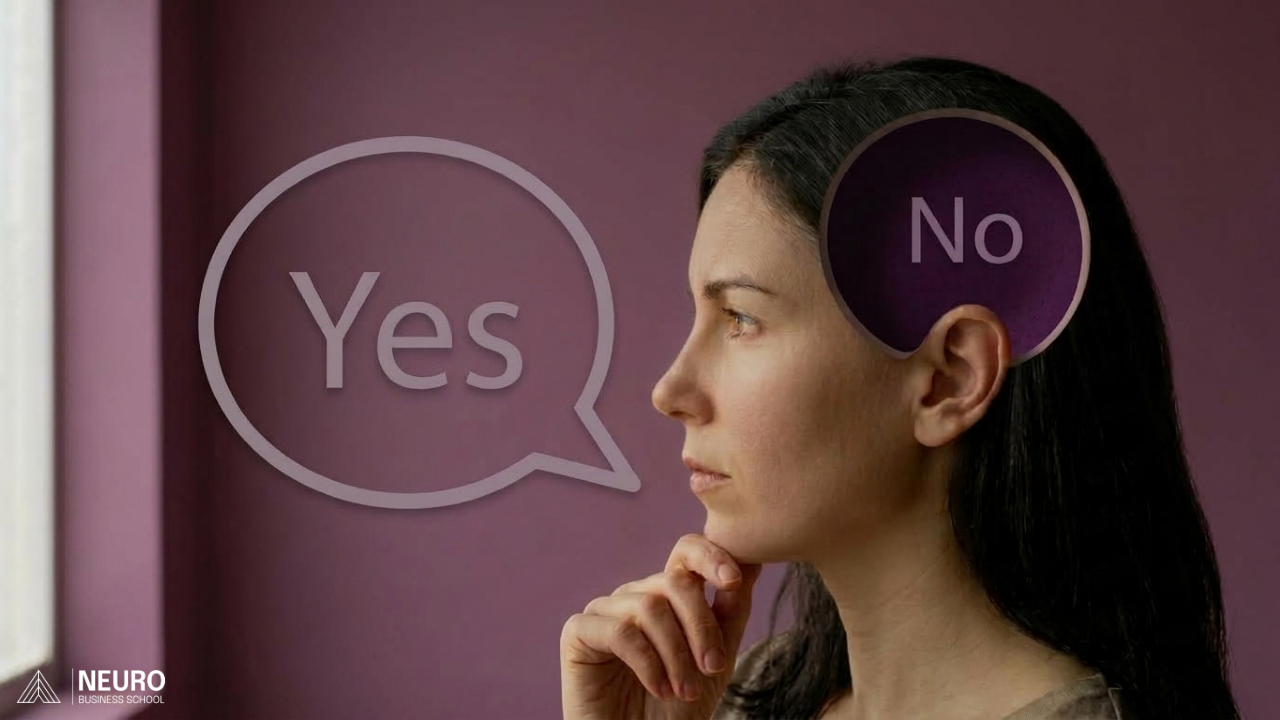
Turning someone down face to face has a social cost, and that discomfort often feels bigger than the effort of just doing what they asked.
In 2008, Francis Flynn and Vanessa Bohns asked study participants to request small favors from strangers, like borrowing a phone or being walked to a building on campus. Before starting, participants guessed how many people they would need to ask. They consistently overestimated. Bohns later reviewed this line of research, in which participants asked more than 14,000 strangers for things, and found that people asking underestimate how often others will say yes by almost half.
The reason was simple. The people asking focused on how much effort helping would take. They didn’t think about how uncomfortable it is to look someone in the eye and say no.
Later work by Bohns and colleagues showed this goes beyond harmless favors. Participants asked strangers to write the word “pickle” in pen inside what looked like a library book. Far more people agreed than they had predicted, even though many of the people approached pointed out it was a library book, and a few went ahead while calling it vandalism.
So if you often end up agreeing to things, it isn’t a lack of willpower. The person asking usually has no idea how much pressure a simple request puts on you.
Is the Small Yes One of the Factors Influencing Consumer Behaviour?
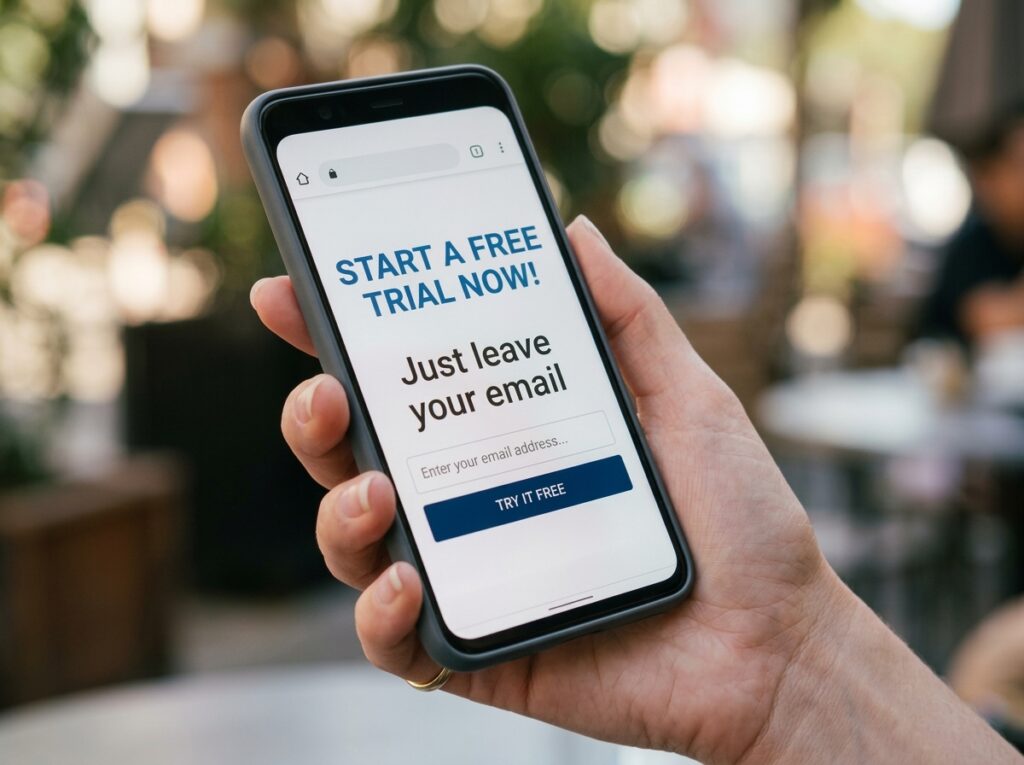
Yes. Small commitments can be one of the factors influencing consumer behaviour, and brands build them into their marketing to influence purchase decisions.
Look at how often you’re asked for something small before you’re asked to buy:
🆓 Start a free trial, cancel anytime
📧 Leave your email and get 10% off
📝 Answer three quick questions to find your perfect match
❤️ Save it to your wishlist
None of these feel like a sales pitch, and that’s the point. This kind of consumer influence works because the first step is easy. Once you’ve taken it, you see yourself as someone interested in the product, and the next step toward buying feels natural.
That doesn’t mean every free trial works this way. Freedman and Fraser themselves pointed out that their requests came from nonprofit groups, for causes almost everyone agreed with, and that it remained to be seen whether the same approach would work for selling a product. What the research does show is why a small first step can make the next one feel easier.
It works a lot like why the same marketing trick can work on you twice: your brain takes shortcuts, and marketers know where they are.
How Can You Say No Without Feeling Guilty?
Start by noticing where the pressure comes from. Most unwanted yeses begin with a small first step, a request that feels far away, or not wanting to make the moment awkward.
📅 Treat next month like this week. If you wouldn’t say yes for this Saturday, you probably won’t feel differently when that Saturday in two months arrives.
🪧 Notice the first step. It’s fine to agree to something small. Just ask yourself whether you’d be happy with the bigger version that might follow.
⏸️ Give yourself time. “Let me check and get back to you” takes the pressure out of the moment and lets you answer when nobody is waiting.
🛒 Pause before the free trial. Before you enter your email or card details, ask whether you’d buy the full thing today.
Saying no to someone isn’t rude, and it often helps them too. A clear no is easier to plan around than a yes you’ll regret.
Understanding why people say yes, and how brands design around it, is the kind of thinking students work with in the Master in NeuroMarketing at Neuro Business School, available online and on campus in Barcelona.
Sources
1. Journal of Personality and Social Psychology, Jonathan L. Freedman & Scott C. Fraser, Compliance Without Pressure: The Foot-in-the-Door Technique (1966)
2. Personality and Social Psychology Review, Jerry M. Burger, The Foot-in-the-Door Compliance Procedure: A Multiple-Process Analysis and Review (1999)
3. Basic and Applied Social Psychology, Jerry M. Burger & Rosanna E. Guadagno, Self-Concept Clarity and the Foot-in-the-Door Procedure (2003)
4. Journal of Experimental Psychology: General, Gal Zauberman & John G. Lynch Jr., Resource Slack and Propensity to Discount Delayed Investments of Time Versus Money (2005)
5. Journal of Personality and Social Psychology, Francis J. Flynn & Vanessa K. Bohns (Lake), If You Need Help, Just Ask: Underestimating Compliance With Direct Requests for Help (2008)
6. Personality and Social Psychology Bulletin, Vanessa K. Bohns, M. Mahdi Roghanizad & Amy Z. Xu, Underestimating Our Influence Over Others’ Unethical Behavior and Decisions (2014)
7. Current Directions in Psychological Science, Vanessa K. Bohns, (Mis)Understanding Our Influence Over Others: A Review of the Underestimation-of-Compliance Effect (2016)