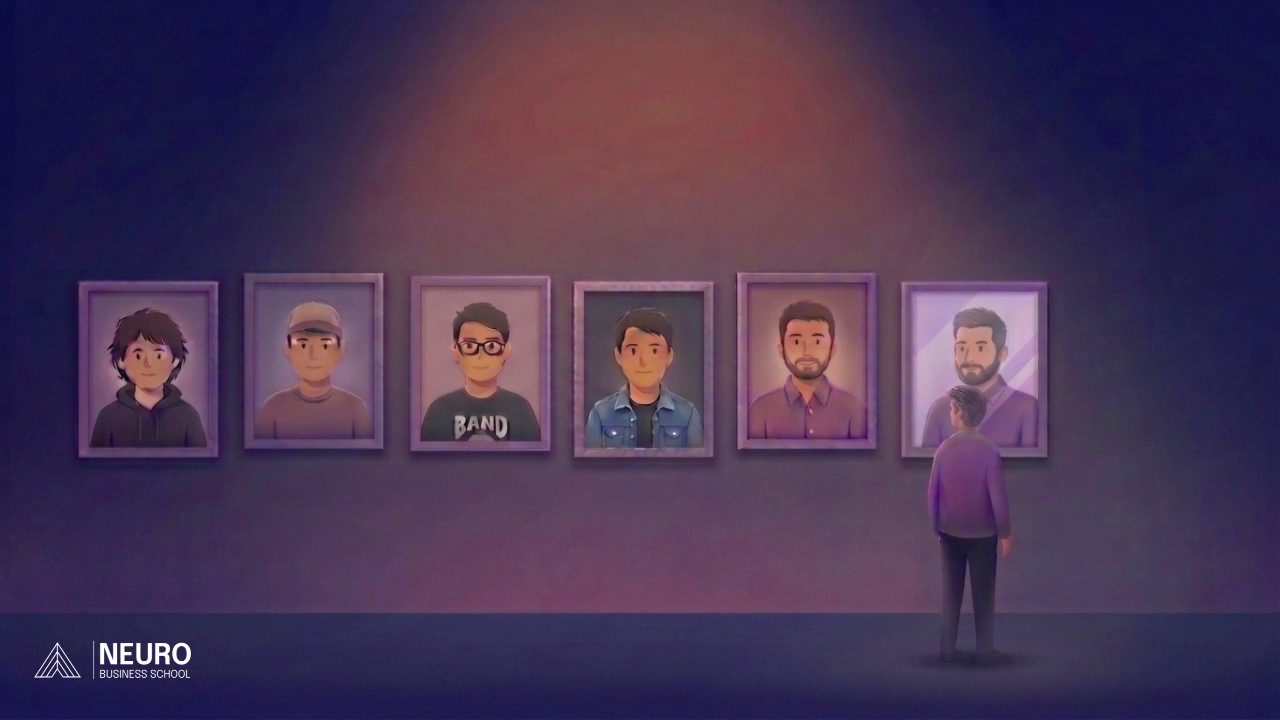

Thirty-four managers. Zero reputation for charisma. One five-hour workshop later, colleagues who’d worked with them for years rated them as measurably more influential, an effect that still showed up three months on.
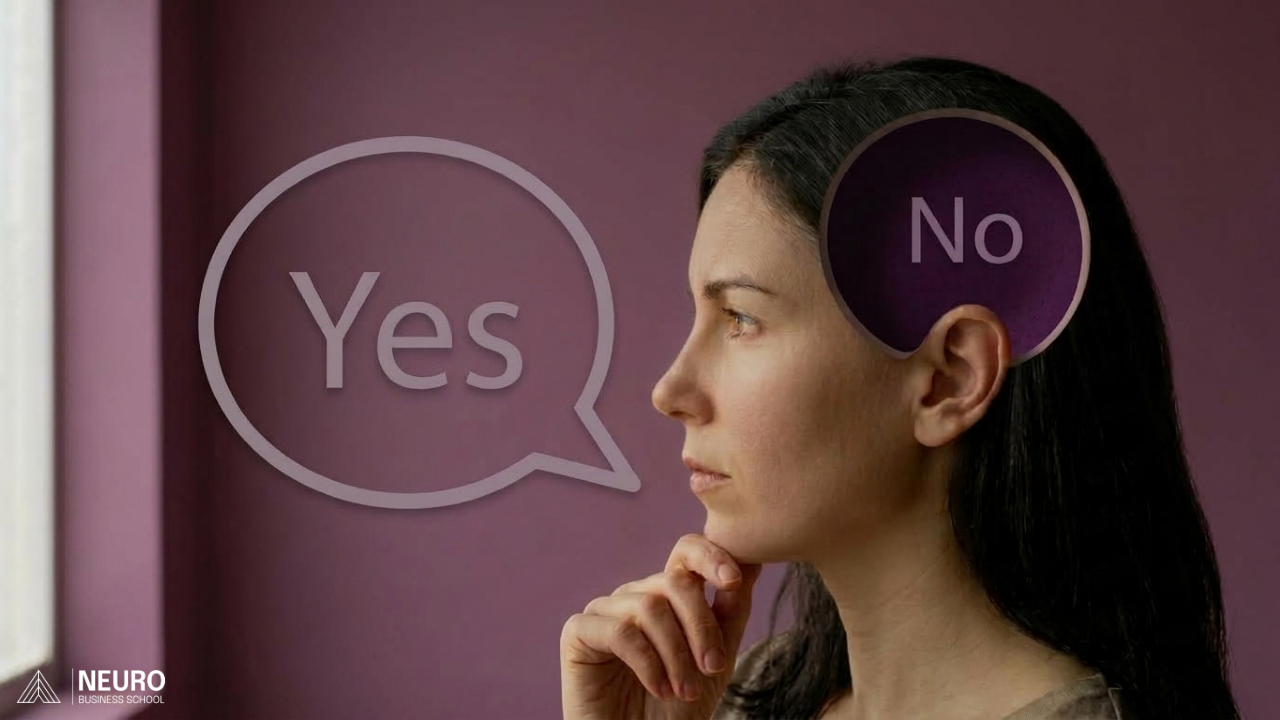
That’s not a motivational cliché, it’s a controlled study, and it points to something most executives were never told directly: charisma isn’t a trait you’re born with. It’s a specific, learnable set of behaviors that changes how an audience’s brain responds to you.
What this article covers:
🧠 What researchers actually trained managers to do
🗣️ Why specific words and gestures change how a brain processes a speaker
🔗 Whether listener brains really “sync up” with a speaker’s
📊 How big the measured effect actually was
✅ How to start practicing this yourself
What did researchers actually teach a room of ordinary managers?
Antonakis and his colleagues at the University of Lausanne didn’t run a personality makeover. They trained participants in Charismatic Leadership Tactics (CLTs): twelve specific, observable behaviors an outside rater can actually see and score.
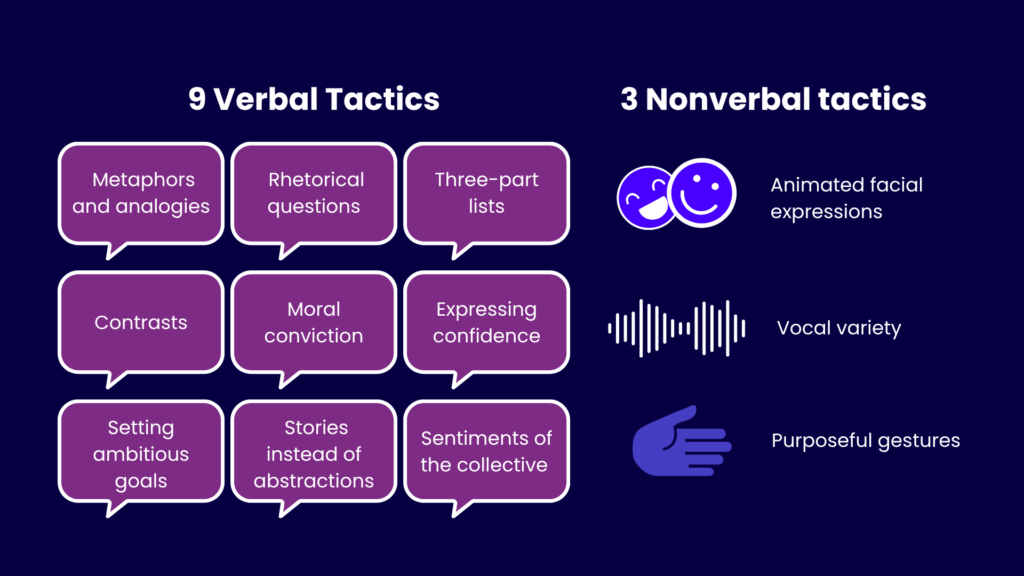
An honest aside: this only works once it’s practiced enough to stop looking practiced. Force a metaphor or stiffen a gesture and it reads as exactly what it is.
Why does the brain respond to a metaphor or a rhetorical question?
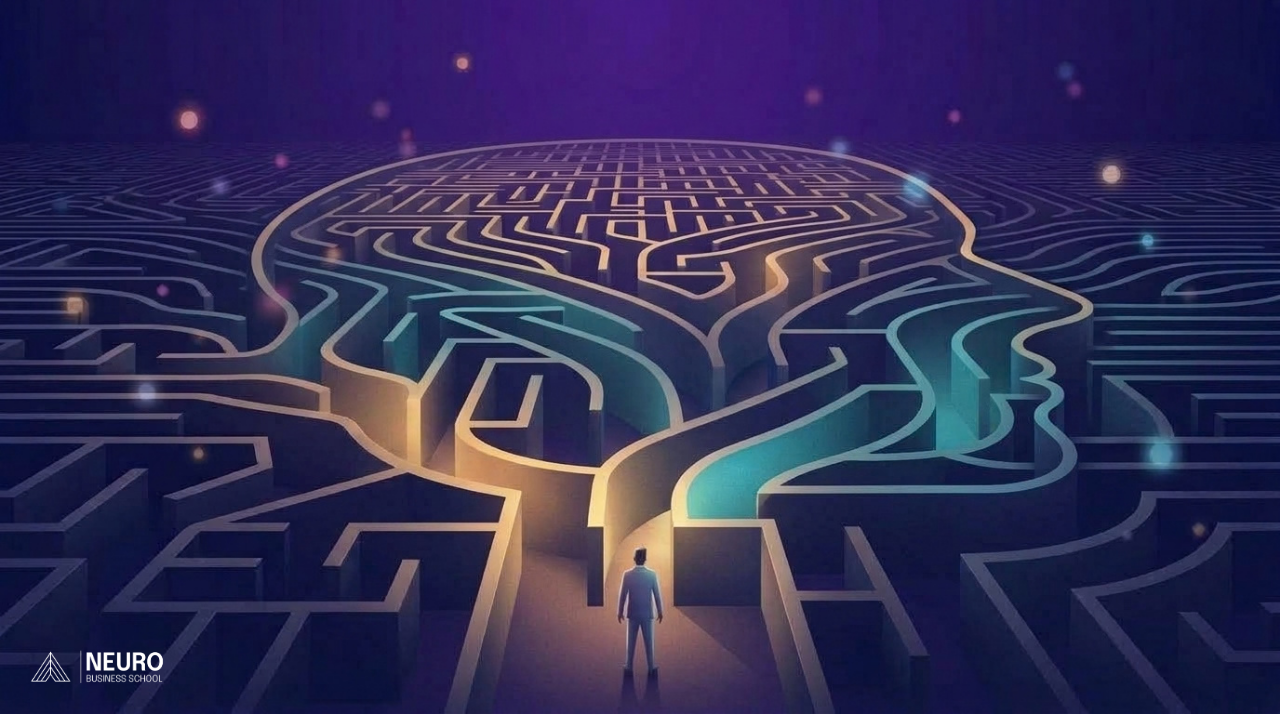
Each tactic maps onto something specific about how a listener’s brain processes information. A metaphor reuses a concept the brain already has stored, which lowers the effort needed to understand something new. Cognitive fluency, how easy an idea is to process, is a well-documented driver of trust and memory. A three-part list satisfies a pattern the brain expects to complete, which is why it lands better than a two- or four-part version of the same idea.
In plain terms: a listener’s brain is a prediction engine that rewards speech which is easy to follow and slightly more vivid than expected.
Vocal variety and gesture work for a simpler reason: they raise attentional arousal, the baseline alertness a brain gives incoming information, which is a big part of why a flat, monotone delivery struggles to hold a room even when the content is strong.
Does a listener’s brain actually sync up with a speaker’s?
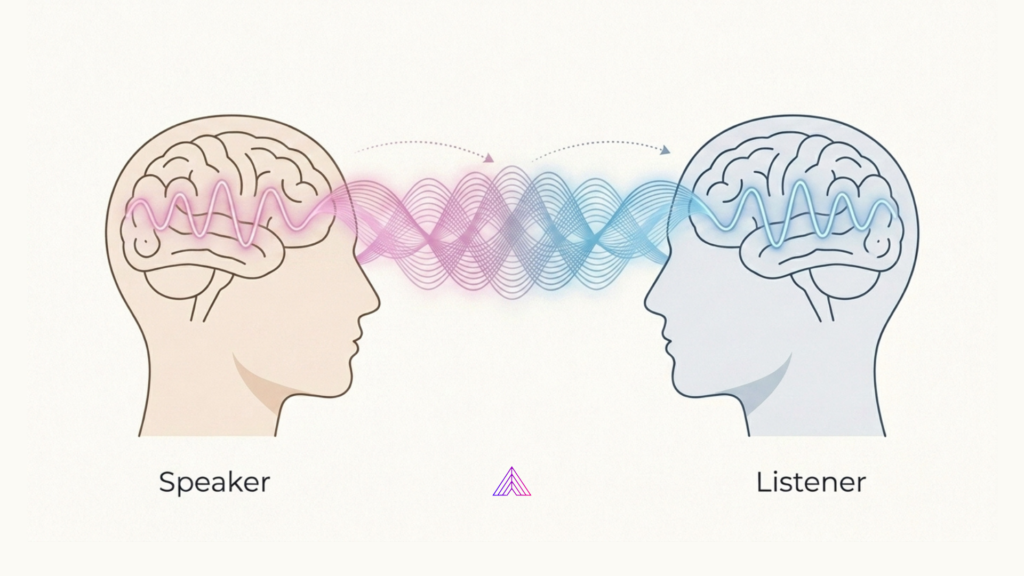
A separate, well-known finding speaks to this, though it needs care. Neuroscientist Uri Hasson and colleagues at Princeton used fMRI to show that a speaker’s brain activity is spatially and temporally coupled with a listener’s, a coupling that largely disappears when communication fails.
This doesn’t prove CLTs specifically cause stronger synchrony than ordinary speech, that link hasn’t been directly tested. What it shows is the underlying mechanism: successful communication is a measurably synchronized alignment between two brains, not just a transfer of information. Put the two findings together: charismatic behaviors make content easier to process, easier content produces stronger brain-to-brain alignment, and that alignment is what a listener experiences as a speaker who “gets” them.
How much difference did the training actually make?
📊 41 MBA students and managers trained, none with prior public-speaking training
📊 135 independent raters scored each manager’s charisma before and after training, blind to which speech was which
📊 The average rating jumped by about half the normal difference you’d see between two random managers – a large, clearly noticeable shift, not a marginal one
📊 The gain held six weeks after training, not just immediately after
Charisma isn’t fixed. It’s trainable — and an effect this size, holding six weeks later, is closer to what deliberate practice at a technical skill produces than to a typical one-day workshop bump.
What does this look like in practice?
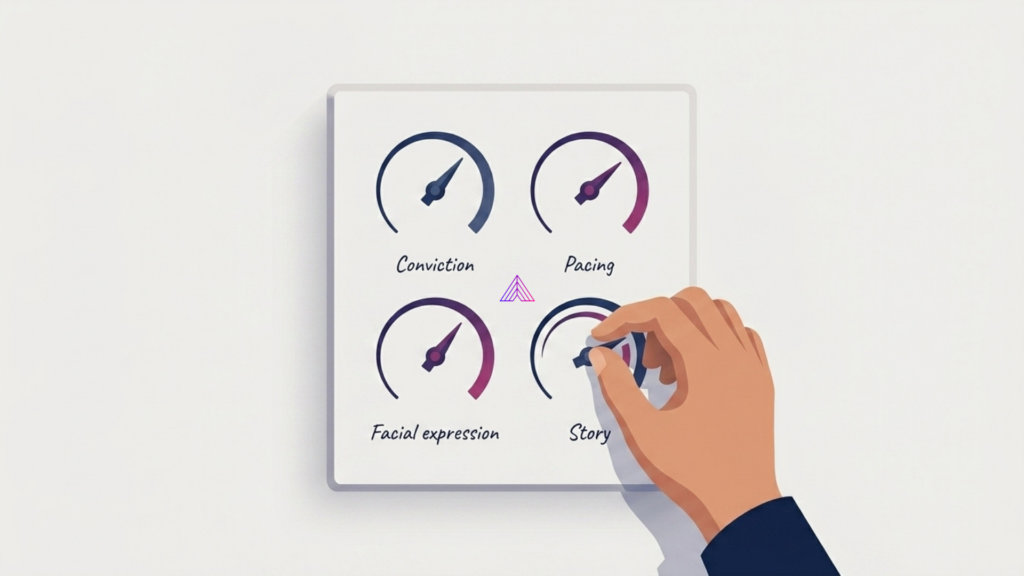
Nobody needs all twelve tactics at once. Start with two or three and practice until they stop feeling scripted:
✅ Replace one abstract statement with a concrete metaphor
✅ Build one point into a three-part list instead of a flat sentence
✅ Ask one genuine rhetorical question before your key point
✅ Slow down and vary your pace at the moment you want people to remember something
This is exactly the kind of deliberate, feedback-driven practice the Executive Neuro MBA is built around: leadership behaviors grounded in published research, developed through structured feedback, available fully online so the work fits around a job that’s already in motion.
Charisma turns out to be less like a spotlight someone is born under
and more like a set of keys anyone can learn to use.
The uncomfortable part isn’t that charisma can be taught. It’s that most professionals never get a structured chance to learn it, because leadership development rarely treats communication as an evidence-based skill. The managers in this study didn’t improve by accident, someone taught them exactly what to practice, then measured whether it worked.
Sources
1. Antonakis, J., Fenley, M., & Liechti, S. (2011). Can Charisma Be Taught? Tests of Two Interventions. Academy of Management Learning & Education, 10(3), 374–396.
2. Stephens, G. J., Silbert, L. J., & Hasson, U. (2010). Speaker–listener neural coupling underlies successful communication. Proceedings of the National Academy of Sciences, 107(32), 14425–14430.