

Twenty minutes on the calendar. Two hours in the room. Nobody scheduled it that way, and by the thirty-minute mark, nobody in the meeting wanted it either. 🕑
This isn’t a scheduling problem. It’s not really a discipline problem either, though that’s usually the diagnosis someone reaches for afterward. The real cause sits inside the brain of every person at the table, and it activates the moment a group starts trying to reach a decision together.
Decision science and social neuroscience have spent decades studying exactly why meetings expand past their intended length. The mechanisms are consistent, predictable, and almost never mentioned out loud in the meeting itself.
What this article covers:
- 🧠 What happens in the brain the moment a meeting starts
- 🗣️ Why everyone suddenly needs to say something
- ⏳ Why the group can’t just decide and move on
- 🙋 Why nobody wants to be the one who ends it
- ✅ What this means for how you actually run a meeting
What Actually Happens in Your Brain When a Meeting Starts?
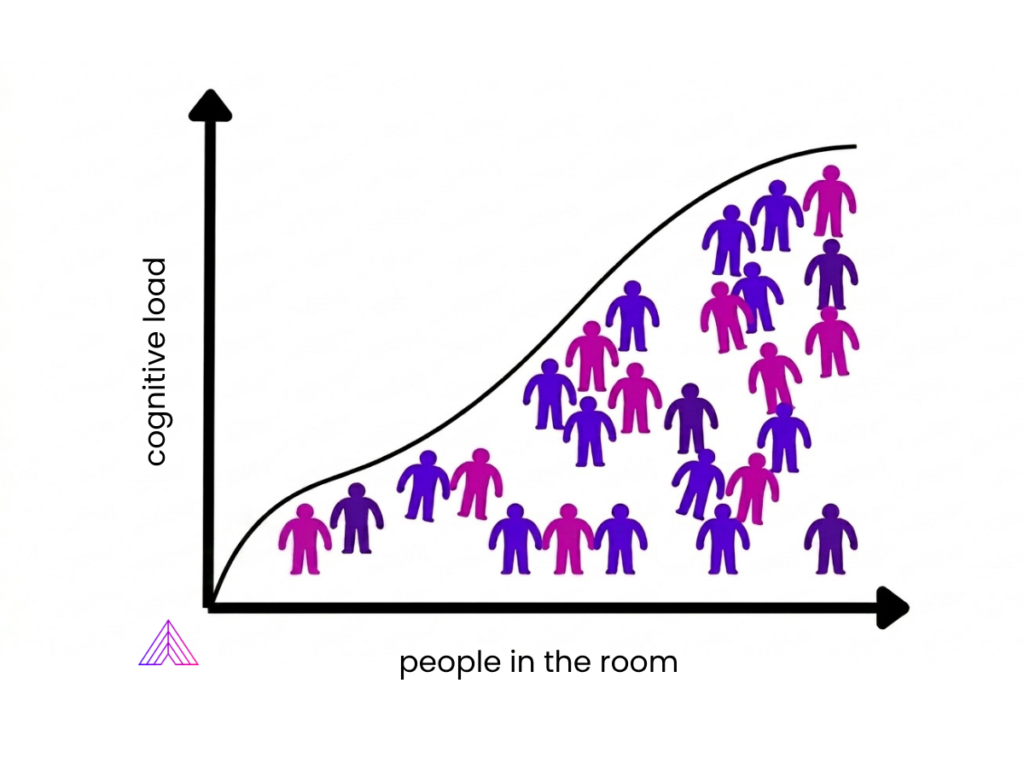
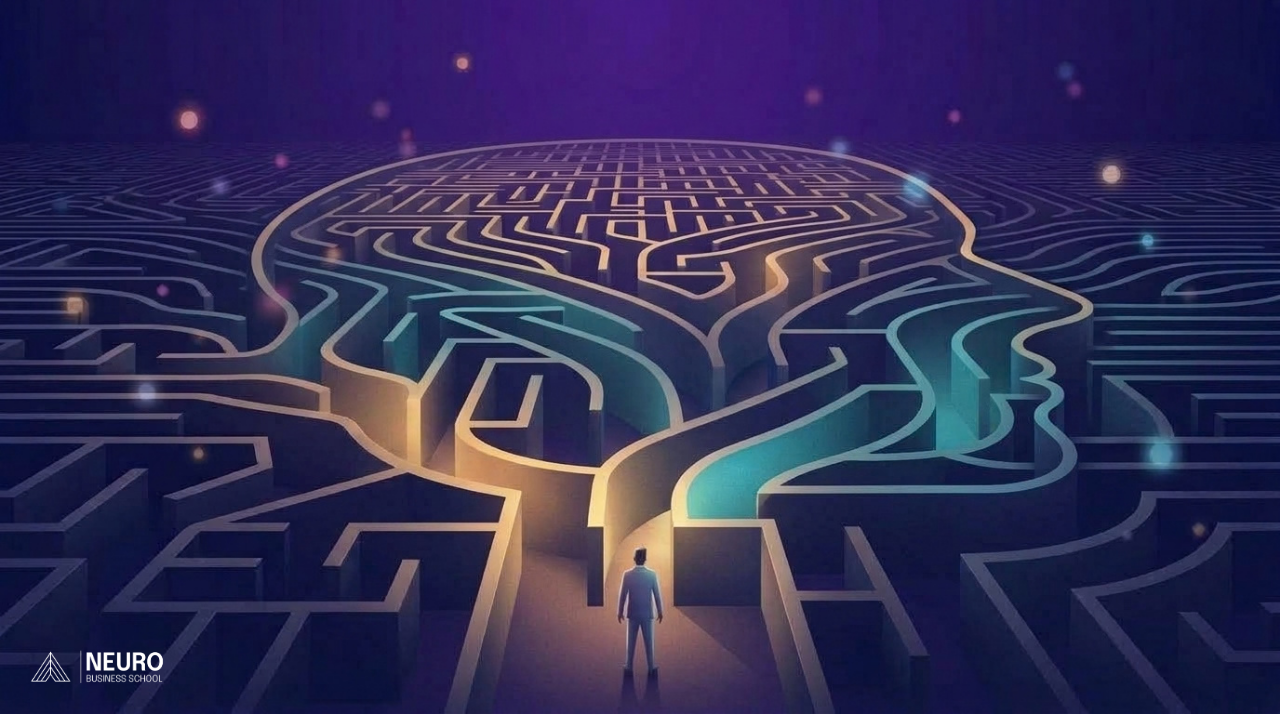
The moment a discussion becomes a group effort rather than one person thinking alone, the brain shifts modes. Social neuroscience calls part of this social cognitive load: the mental effort spent tracking not just the topic, but who agrees, who’s uncomfortable, who’s about to interrupt, and what your own contribution signals about your competence.
That tracking isn’t optional. It happens automatically, in brain regions that overlap with how we process physical threat. Add two more people to the table, and the load doesn’t grow in a straight line. It compounds.
A meeting with two extra people isn’t twice as complex. It’s several times as complex, and almost nobody in the room notices why it suddenly feels harder to finish.
Why Does Everyone Suddenly Need to Say Something?

Photo by Vitaly Gariev on Unsplash. Modified from original.
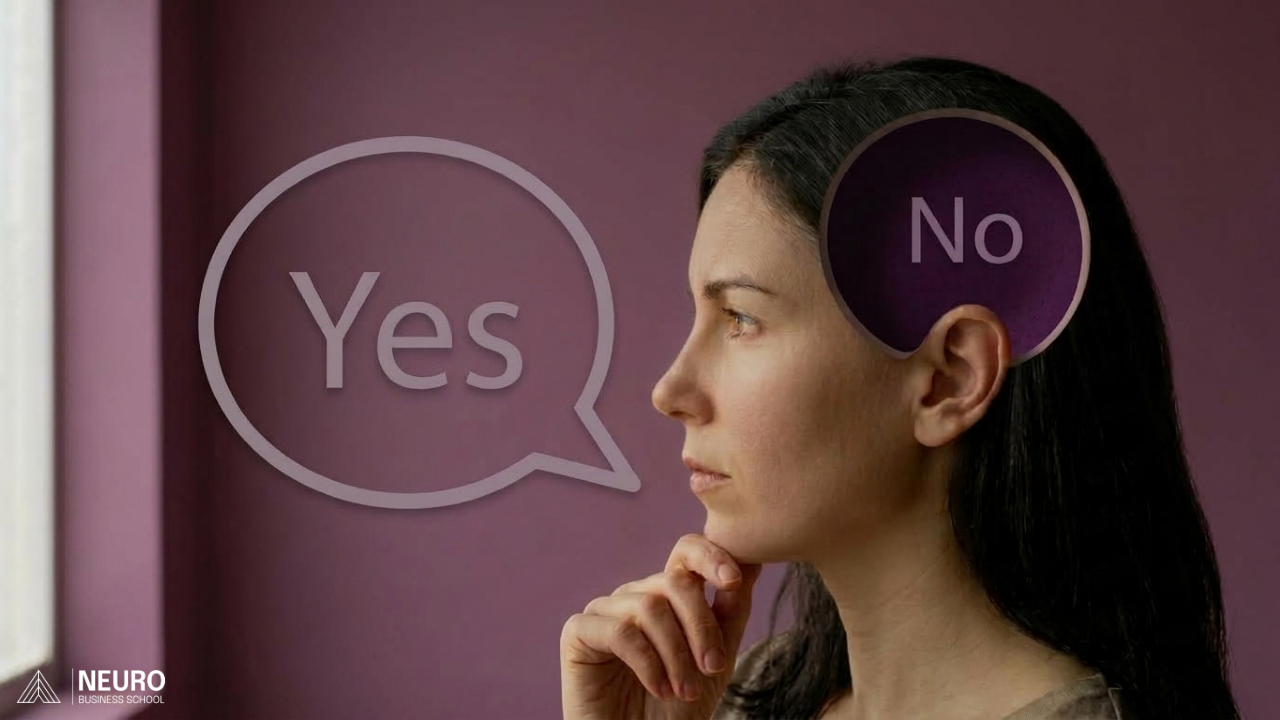
Here’s the part that explains most of the extra hour: status. According to the SCARF model developed by neuroscientist David Rock, the brain treats status, certainty, autonomy, relatedness, and fairness as close cousins of survival needs. Sitting silently while decisions get made without your input can register, neurologically, as a status threat.
The brain’s response to a status threat isn’t complicated. It says something. Not necessarily something useful — just something that reasserts presence in the room. Multiply that by everyone present, and a twenty-minute agenda turns into ten people individually defending their relevance.
This is not a discipline problem. It’s a status-protection reflex, and it fires whether or not anyone in the room is aware of it.
Why Can’t the Group Just Decide and Move On?
Psychologist Arie Kruglanski’s research on the need for cognitive closure shows people vary sharply in how urgently they want a decision finalized. In any group, some people reach closure fast and are ready to move on. Others need to turn the idea over from three more angles before they’ll commit.
A meeting only ends when the slowest-closing person in the room feels resolved. Everyone else waits, often re-raising points that were already settled, because silence reads as unfinished business rather than agreement.
Why Does Nobody Want to Be the One Who Ends It?
This is where diffusion of responsibility comes in — the same mechanism behind the classic finding that people are less likely to help in an emergency when more bystanders are present. In a meeting, nobody individually owns the job of saying “we’ve covered this, let’s decide.” Everyone assumes someone else, probably whoever called the meeting, will do it.
So the conversation just continues. Not because anyone wants it to, but because ending a meeting requires someone to take a small social risk. Diffusion of responsibility means that risk quietly gets passed around the table until the clock makes the decision instead.
The two-hour meeting rarely has a villain. It has ten people, each individually convinced that ending it wasn’t their job.
So What Actually Fixes This?
None of these mechanisms disappear because a leader asks people to “be more concise.” They’re wired in. What changes them is structure: naming one person responsible for closing the meeting, setting a visible agenda that gives quieter people a designated moment to speak (removing the status-threat trigger), and asking, before the meeting starts, who in the room tends to need more time to reach closure.
This is, in a fairly literal sense, applied neuroscience. Understanding what’s actually happening in the brains around the table — not just what’s being said out loud — is the difference between managing a meeting and just attending one.
The Executive Neuro MBA at Neuro Business School builds this kind of decision-science literacy directly into how leaders are trained to run rooms, not just read about them.
Meetings don’t run long because people are undisciplined. They run long because a handful of well-understood neurological mechanisms are quietly working against the clock, and almost nobody in the room has been taught to see them.
The Executive Neuro MBA is available fully online, built for working professionals who lead exactly these kinds of rooms.
Sources
- Social threat processing shares neural substrates with physical threat processing — findings summarized in NeuroLeadership Journal research on social cognition, David Rock et al.
- Rock, D. (2008). SCARF: A brain-based model for collaborating with and influencing others. NeuroLeadership Journal.
- Kruglanski, A. W. — research on the need for cognitive closure, Journal of Personality and Social Psychology.
- Latané, B., & Darley, J. M. (1970). The Unresponsive Bystander: Why Doesn’t He Help? — foundational research on diffusion of responsibility.