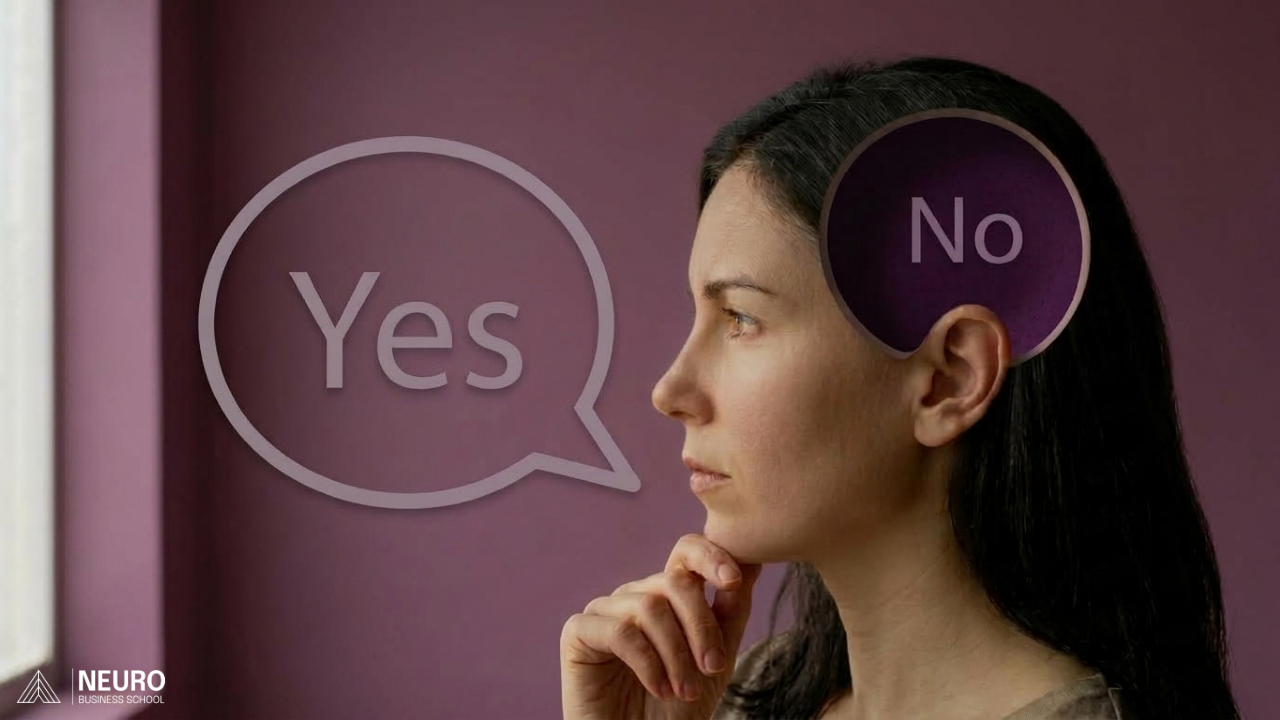


The promotion finally comes through. Nine years of work, two extra certifications, a track record nobody in the room could dispute, and the first feeling isn’t pride. It’s a quieter, more specific fear: what happens when they realize I got here by luck. That reaction has a name, real research behind it, and it shows up most often in exactly the people who’ve earned the least reason to feel it.
What this article covers:
🧠 Why even objectively successful people feel like frauds
📖 The real 1978 study behind the term, and what it actually found
📈 Why the feeling gets louder with every success, not quieter
🎓 What it means if you’re considering taking the next step yourself
You Have the Title. Why Doesn’t It Feel Earned?

Photo by Pavel Danilyuk on Pexels
Imposter syndrome is the gap between what someone has actually achieved and what they privately believe about themselves. It shows up as a persistent conviction that success came from luck, timing, or fooling the right people, never from ability, no matter how much evidence points the other way. A promotion gets explained away. A strong review gets credited to a forgiving manager. The achievement is real. The belief that it counts is what goes missing.
What this means for you: if the doubt only shows up after something goes right, that’s worth paying attention to. It rarely shows up after something goes wrong.
The Study Behind “Imposter Syndrome” Never Called It That

The term traces back to a single, specific piece of research. In 1978, psychologists Pauline Rose Clance and Suzanne Imes studied more than 150 high-achieving women, PhDs, respected professionals, and students recognized for academic excellence, and found the same pattern across nearly all of them. Despite clear, external proof of competence, they continued to believe they weren’t actually intelligent, attributed their success to luck or charm, and lived with a quiet fear of being exposed as frauds.
Clance and Imes never called it a syndrome. Their paper named it the imposter phenomenon, and it has never been a clinical diagnosis. The word “syndrome” was added later, by popular use, not by the researchers who first documented it. That distinction matters: what they described isn’t a disorder to be treated. It’s a pattern of thinking that can be recognized, and unlearned.
What this means for you: the fact that psychologists still don’t agree on calling this a syndrome says something. It’s common enough to study and name, and still not evidence something is wrong with you specifically.
Feeling like a fraud is not proof you don’t belong.
It’s often proof you’re finally being tested against something real.
Why the Doubt Gets Louder With Every Success

Image by pressfoto on Magnific
Later research moved past Clance and Imes’s original group and found the same pattern in a much wider population, men included, concentrated especially in graduate students and anyone taking on a level of challenge they haven’t faced before. A 2024 study of university students tied these feelings closely to perfectionism: the more someone treats “good” as unacceptable and only “flawless” as safe, the stronger the fear of being found out. It also linked the feeling to lower self efficacy, meaning the self doubt doesn’t just sit quietly. It actively affects how capable someone believes they are of doing what’s already sitting in front of them.
That’s the trap. Each new achievement should be evidence the doubt is wrong. Instead, it usually just raises the bar for what “actually earning it” would require.
What this means for you: if the discomfort seems to be getting worse the further you get, that’s not a sign you’re the exception to how competence normally feels. It’s the pattern, working exactly as documented.
What This Means If You’re Thinking About Going Back to School
The moment this feeling shows up most predictably is right before or right after taking on something new: a promotion, a leadership role, a program that puts you back in a classroom for the first time in years. That’s not a coincidence. It’s the exact setup the original research points to: high achievement, meeting a new and unfamiliar challenge.
None of that is a reason to hold back. If anything, the fear of failure that comes with starting something that stretches you is closer to a normal part of growth than a red flag to listen to. The Neuro MBA at NBS is built for people already leading, who are stepping into exactly this kind of stretch on purpose. Feeling underqualified the week before isn’t evidence you shouldn’t apply. Historically, it’s closer to evidence you’re about to be tested against something real, which is usually where the actual growth happens.
Sources
Psychotherapy: Theory, Research and Practice – Clance, P. R., & Imes, S. A. (1978). The imposter phenomenon in high achieving women: Dynamics and therapeutic intervention.
Current Psychology – Pakozdy, C., Askew, J., Dyer, J., et al. (2024). The imposter phenomenon and its relationship with self-efficacy, perfectionism and happiness in university students.